
Read the latest news in our participant newsletter for 2024/25.
“Thank you so much to all of our amazing participants. Without you, this project would not be possible.”
Tonia Didcott, Bristol Imaging Centre Operations Manager
Celebrating 10 years of the imaging
study
In July 2025, UK Biobank reached the record-breaking milestone of collecting the brain, body and bone scans of 100,000 volunteers.
We have collected more than one billion images so far, providing researchers with detailed medical scans of major organs around the body.
“It’s quite fascinating because you can help to provide information which can lead to great medical advances.”
John, a UK Biobank participant speaking to the BBC after his imaging appointment
Researchers from around the world have used your imaging scans to power research and publish more than 1300 scientific papers on diseases such as dementia, heart disease and osteoporosis.
We are now inviting participants back for a second set of scans. Multiple scans at different time points allow researchers to understand how changes to your organs as you age link to diseases like dementia, heart disease, and cancer. Please keep an eye out for your invitation!
Read more about what the imaging project has achieved so far below.

As UK Biobank reaches the record-breaking milestone of collecting 100,000 scans, learn more about the world’s largest imaging project and the impact that the imaging data is having on science.
You said, we did
‘The MRI scanner rooms can feel cold.’
Warm blankets are now available if you need them.
‘I don’t think that the gowns fit well.’
We have improved our selection of gowns for your comfort and dignity.
‘I’m unsure how data from my scans is helping science.’
The scientific impact of your time and effort is displayed on screens and walls in the Imaging Centres.
‘I would like to receive a reminder about my appointments.’
We send reminders about your visit and schedule an introductory call with you a week before your appointment.
Artificial intelligence spots arthritis in routine bone density scans

Researchers from the University of Bristol used bone-density scans from around 40,000 UK Biobank participants to develop an artificial-intelligence tool that can spot subtle hints of osteoarthritis. Similar automated systems could eventually help to catch early-stage arthritis even when doctors aren’t specifically looking for it. Physiotherapy could then be prescribed to stop the condition from getting worse and increase the amount of time living in good health.
A step closer to your GP data
“My family has generational cardiac disease and this link to my GP records will be invaluable for preventing and better understanding future cardiac disease through the generations.”
Sean, a UK Biobank participant
We are delighted the Government has announced it will help UK Biobank to access your GP data. We have not been able to access GP data across England on a large scale, except during COVID-19 when it proved incredibly valuable, despite having your consent to do so (we have access in Scotland and Wales).
You do not need to do anything. We will be applying to NHS England to access your GP data and make it available to approved researchers. We will receive only coded data related to diagnoses, prescriptions and referrals, not any confidential notes. As always, any information that identifies you is never shared with researchers to protect your confidentiality.
Building an unprecedented world leading dataset
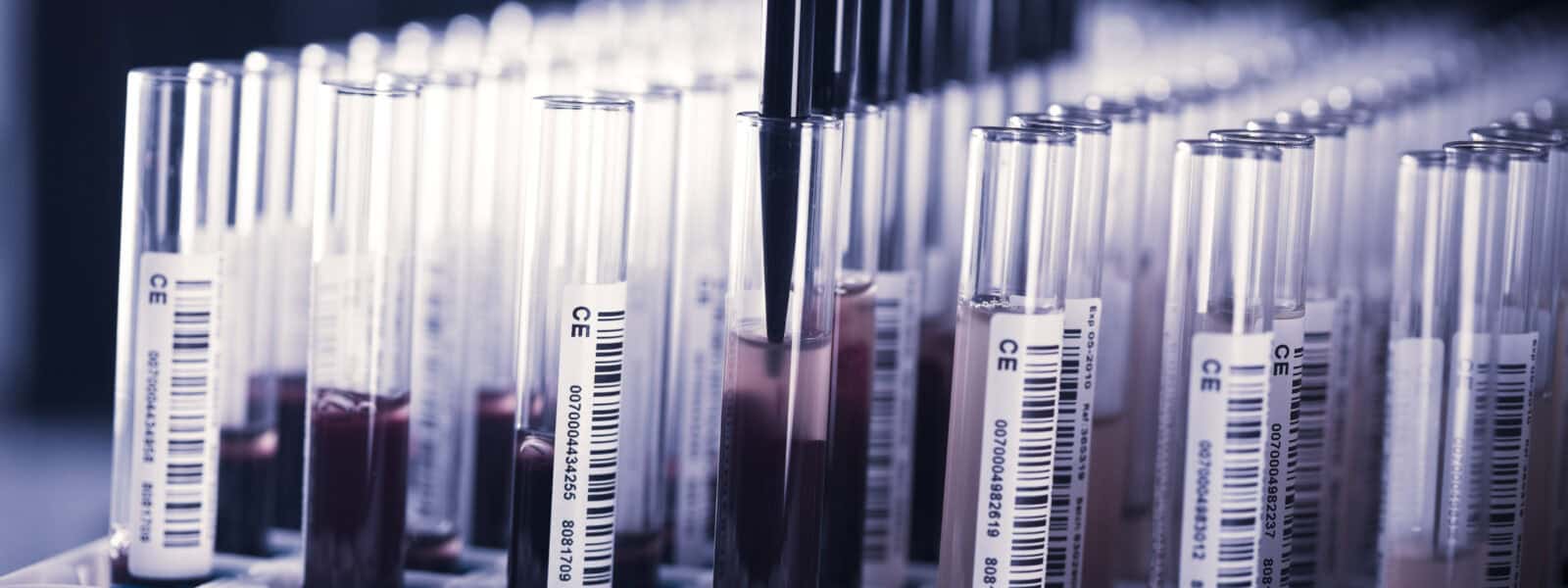
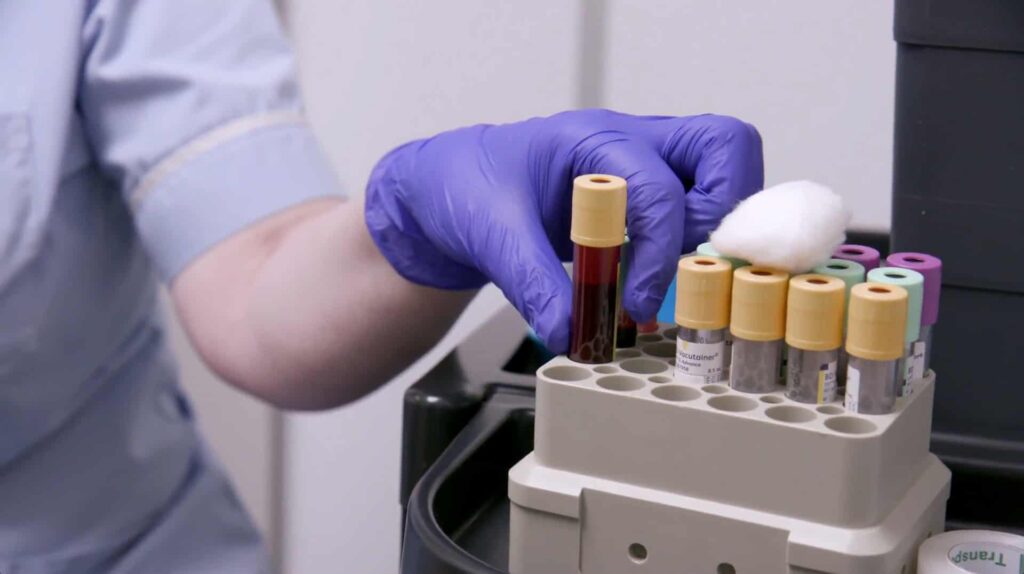
Over the next few years, we will be measuring the levels of proteins in the blood samples you have generously donated. Understanding how protein levels can influence disease could help develop ways to detect diseases earlier.
A consortium of companies has provided funding for this huge task. A pilot study analysed blood samples from 50,000 participants – already making this the largest study of its kind in the world. The data from this pilot study has proven so valuable for research that blood samples from a further 250,000 participants are going to be analysed, with the aim to eventually do this for all half a million of our participants.
Read our research story on how our blood protein data is driving breakthroughs in dementia research.
A new era of brain health research
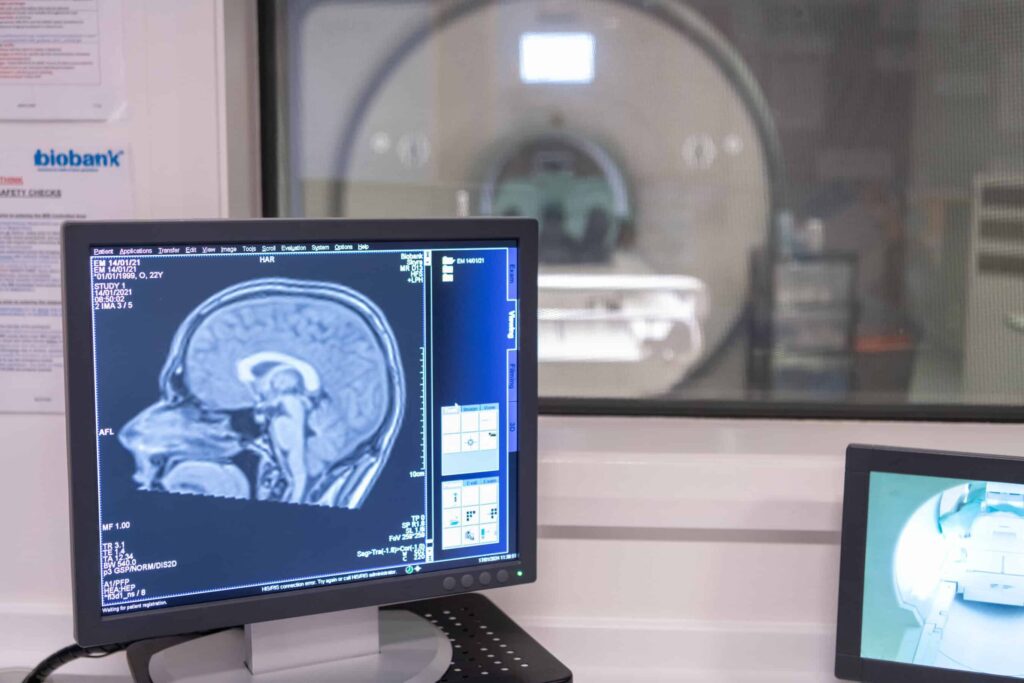
UK Biobank data has huge potential for helping scientists to understand brain health conditions, such as Alzheimer’s disease and Parkinson’s disease.
We are planning a groundbreaking new study with participants with brain-related health conditions, including those affecting their movement or memory. We would like to invite them to a research centre to have a brain scan, provide a blood sample and complete some cognitive tests.
The study is being designed with the help of UK Biobank participants, people with a brain health condition, and those who support and care for them. More information will be coming soon!
Read more about the Brain Health Study.
UK Biobank moves to the cloud

Researchers starting new projects can now only access UK Biobank data though our cloud-based Research Analysis Platform.
This means researchers (with limited exceptions) will no longer be able to download data, and instead will log in and analyse data within the secure platform.
It’s a bit like a reference library where researchers come to look up information, but they can’t remove or copy any of the books. This will enhance security by giving us more control over the huge amount of data we now hold.
Next section: