
Being able to follow your health over many years is crucial to the value of UK Biobank as it allows researchers to study how our genes and lifestyle influence the development of disease many years later.
How we follow your health
There are a number of ways that UK Biobank follows your health:
- Linkage to national registries – links to national cancer and death registries.
- Linkage to hospital information – links to information collected by hospitals about inpatient admissions (including diagnoses and underlying conditions), and operations and procedures.
- Linkage to primary care information – links to general practice (GP) records. We receive coded GP data, which contains codes about diagnoses, prescriptions and referrals, but no confidential notes or letters. Primary care data give researchers unprecedented insight into conditions that are largely managed by GPs such as diabetes, dementia and mental ill health.
- Online questionnaires – we send you regular emails inviting you to complete questionnaires about specific topics, including your health. We are particularly interested in finding out about health conditions that are difficult to capture through linkage to health-related records such as mental health, cognitive function, sleep disorders and neurodiversity.
We check all the data we receive from these sources before it is released to ensure that no information which could be used to identify you is made available to researchers.
Changes to access to GP data in England
As of 10 February 2026, the UK Government has published a data provision notice, allowing coded primary care data in England to be shared with consented cohorts like UK Biobank through NHS England, and removing the responsibility and liability from thousands of GPs. This means:
- Adding data from your GP record will dramatically increase the power of UK Biobank to advance the prevention, diagnosis, treatment and management of diseases that are managed largely by GPs. These include conditions such as depression, asthma, dementia, diabetes and chronic pain.
- Compared with hospital data, GP data allows detection of disease earlier when it may be more readily treatable and is therefore vital for health-related research. Read how healthcare is already being changed by discoveries made with your data.
- The transfer of data will be managed by NHS England, so it won’t cost your GP anything or take up any of their time.
- When you first joined the study, you gave consent for UK Biobank to access all your medical and health-related records so you don’t need to do anything new. By giving your consent for UK Biobank to access your medical and health-related records, you are helping scientists to identify better ways to prevent and treat debilitating and life-threatening diseases.
This is very exciting news as these GP data will help to transform understanding of diseases, and how to prevent and treat them. Researchers like me will be able to use the data to understand what’s really causing disease, and why some drugs work for some people and not others. We will solve so many major health challenges that affect us today, and we’ll do so because of this initiative to make these data available now.
Professor Liam Smeeth, Director of the London School of Hygiene and Tropical Medicine, GP for the past 30 years
What is coded GP data?
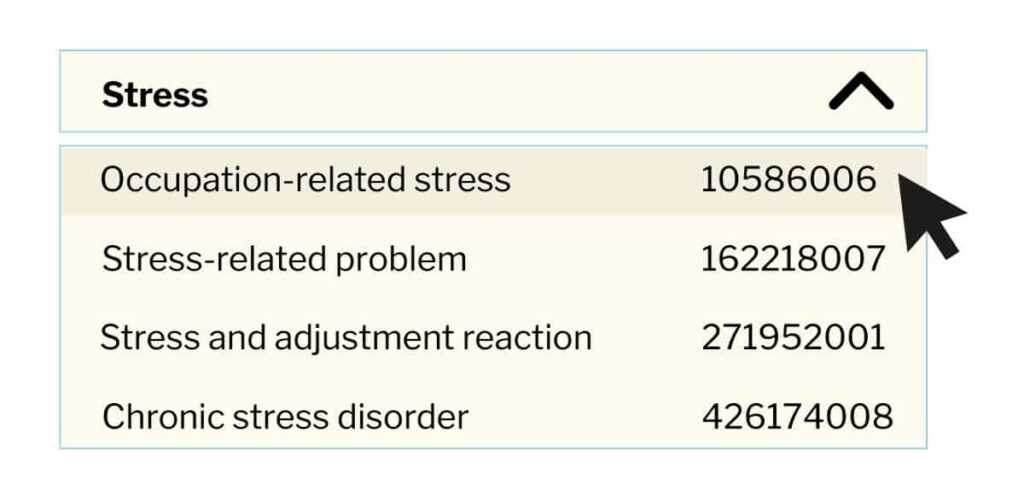
UK Biobank will receive coded data about health conditions. This includes codes for diagnoses, symptoms, medications, referrals and lab results.
Letters and notes of the conversation that took place between you and your GP will remain confidential.
Take a look at our graphic below to see how the process works.
-
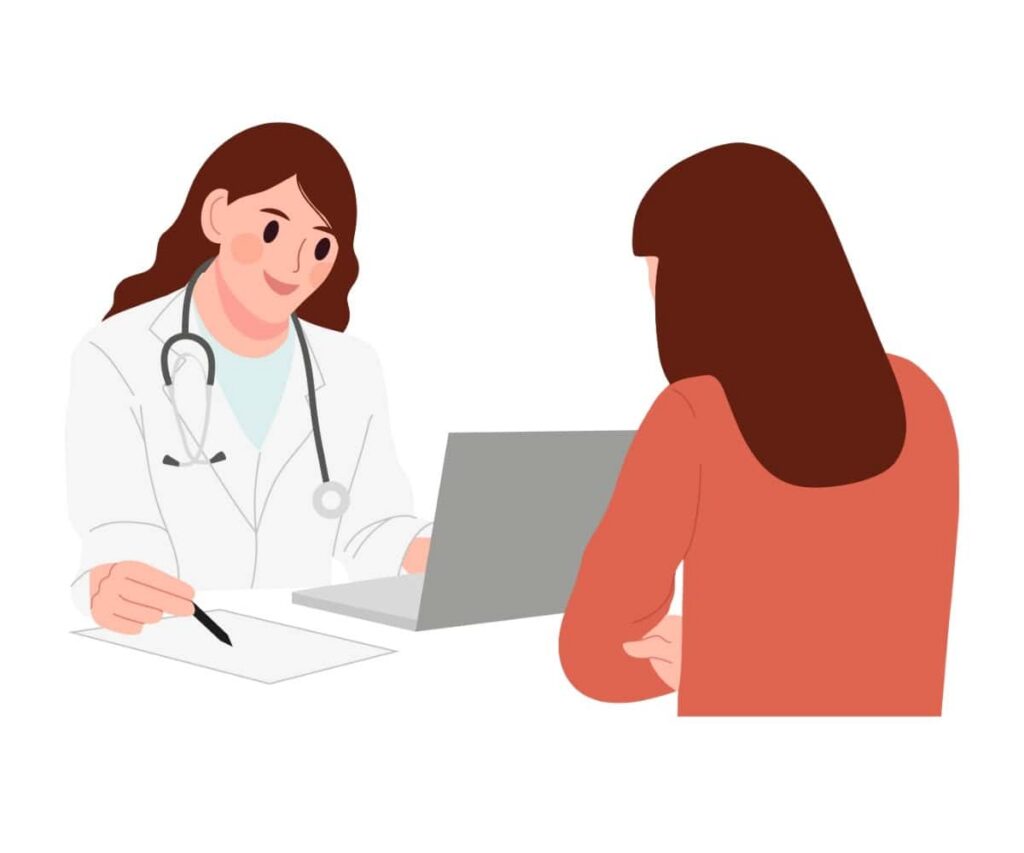
UK Biobank participant visits their GP

Jane Doe sees her GP to explain that she’s been feeling restless and tense, has trouble focusing and can’t seem to stop worrying.
She says that work has been particularly stressful recently and describes arguing with her colleagues.
-
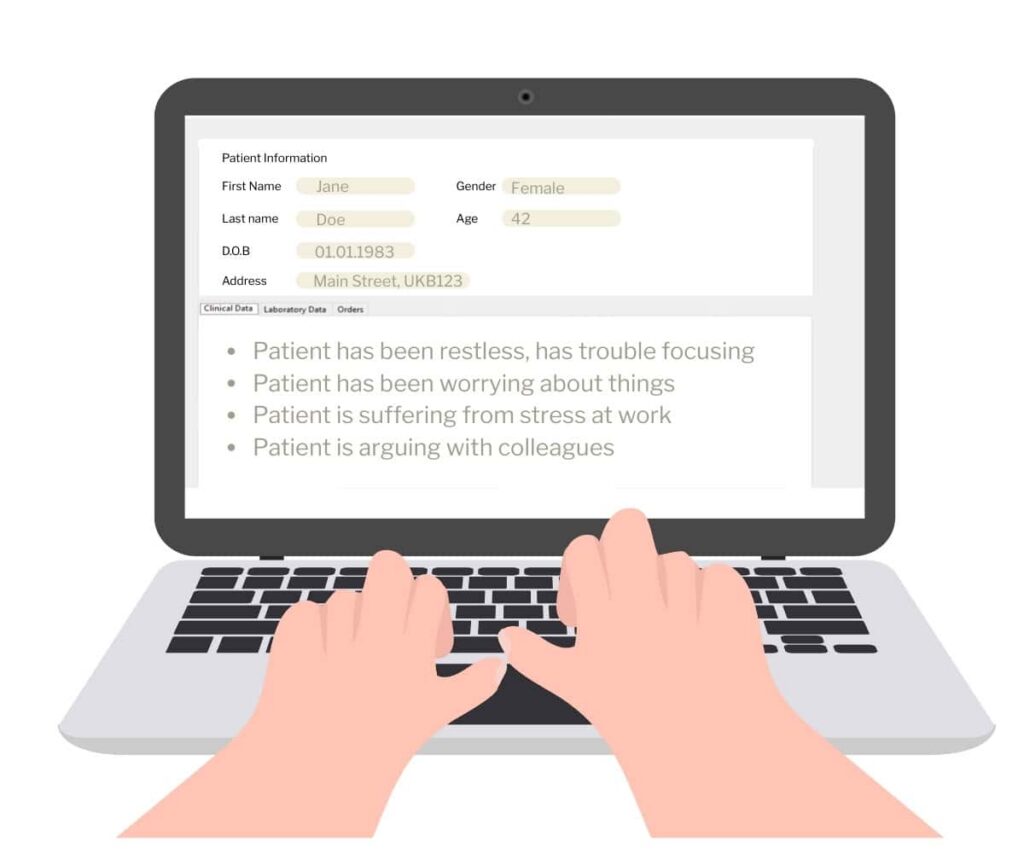
GP records free-text notes and codes
Jane’s GP will write down her symptoms and experiences as free-text consultation notes.

They then use their computer system to save a code for ‘stress at work’ in Jane’s medical record.
If the GP refers Jane to a counsellor, they will also save the code for the referral in her record.
-
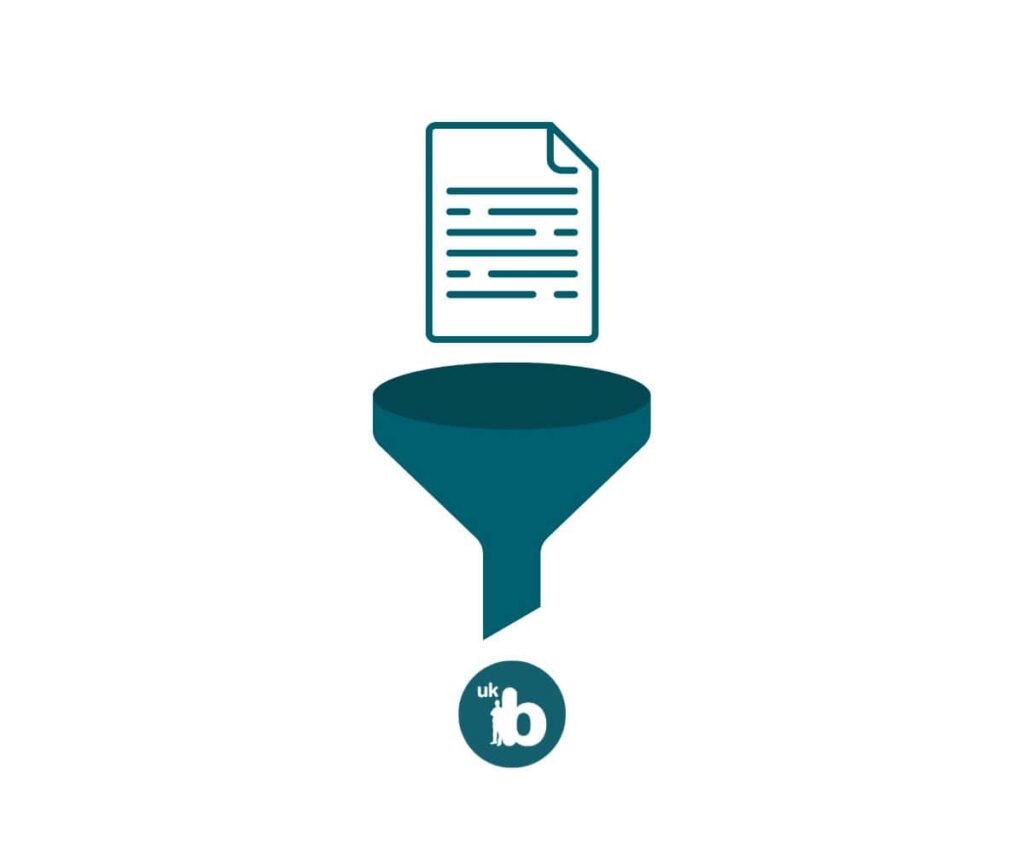
Notes and sensitive data are removed
We understand that your GP record is personal and private. A filtering process removes free text and sensitive data. This means UK Biobank doesn’t receive:
- Free-text GP notes
- Codes for certain sensitive information, e.g legal status, personal beliefs or sexual orientation
- Documents attached to medical records, e.g. hospital letters
- Codes that are unusual enough to potentially identify participants, e.g rare conditions
-
Limited codes sent to UK Biobank
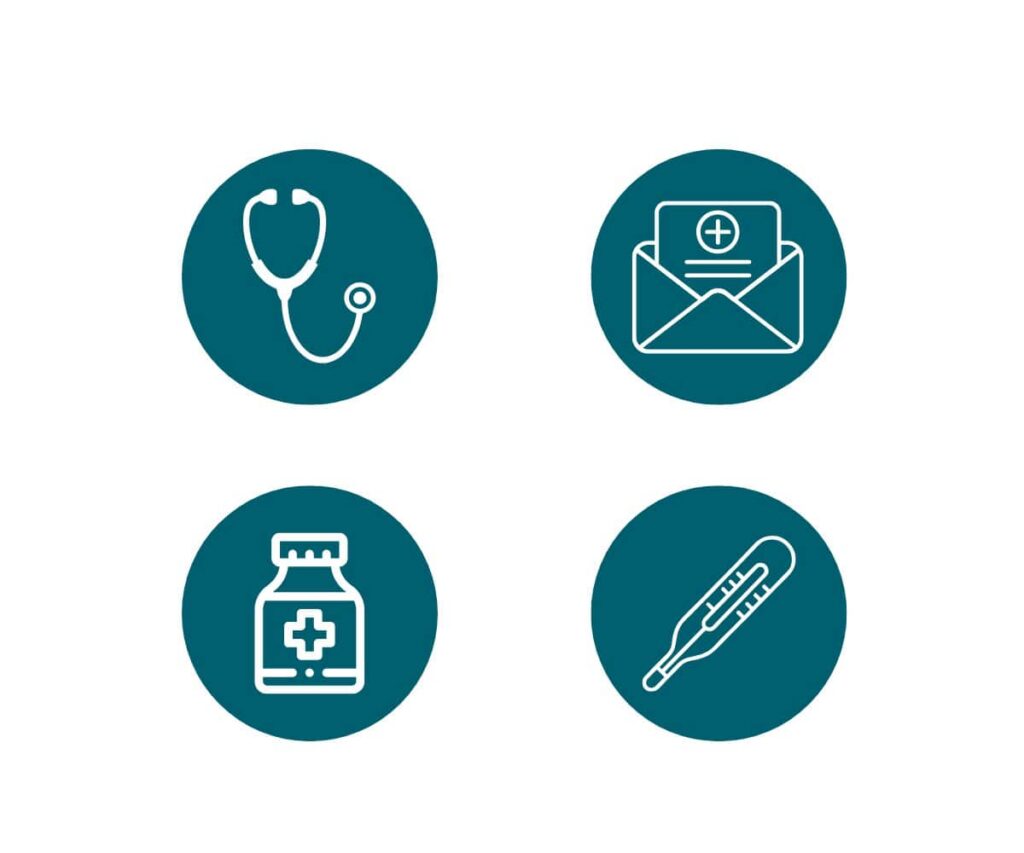
We will receive codes relating to:
- Referrals
- Diagnoses
- Medications and immunisations
- Symptoms, observations (e.g height and weight) and measurements (e.g blood pressure)
-
Researchers access codes on UK Biobank’s restricted platform
Approved researchers can access the codes on UK Biobank’s restricted research analysis platform, to make scientific discoveries that otherwise wouldn’t be possible.
Any information that identifies participants – for example, their name, address and NHS number – is not shared with researchers.

Understanding more about the process
We have robust data security measures in place
We have robust data security measures in place
Our people, policies and technology adhere to the highest industry standards for data security. We comply with the international standard for information security (ISO/IEC 27001).
We have robust firewalls and continually monitor new cyber threats and trends. Independent security consultants carry out regular testing of our systems. This means we are as resilient as we can be to cyber-attacks and prepared for any new threats.
We protect your identity
We protect your identity
Information that identifies you and other participants – for example, name, address, full date of birth and NHS number – is not shared with researchers.
We also monitor other ways participants could be identified from the data and take steps to prevent this.
Your GP can’t see or access the data we hold about you at UK Biobank.
Only approved researchers can access your data
Only approved researchers can access your data
We only allow approved researchers to access UK Biobank data for health-related research that is in the public interest. We carry out checks to ensure your data are only accessed by genuine researchers.
Researchers will only be able to access and analyse your coded GP data on a restricted, cloud-based platform. The platform enhances security by giving us control over the data as well as increasing accessibility to the data for approved researchers.
Why we follow your health
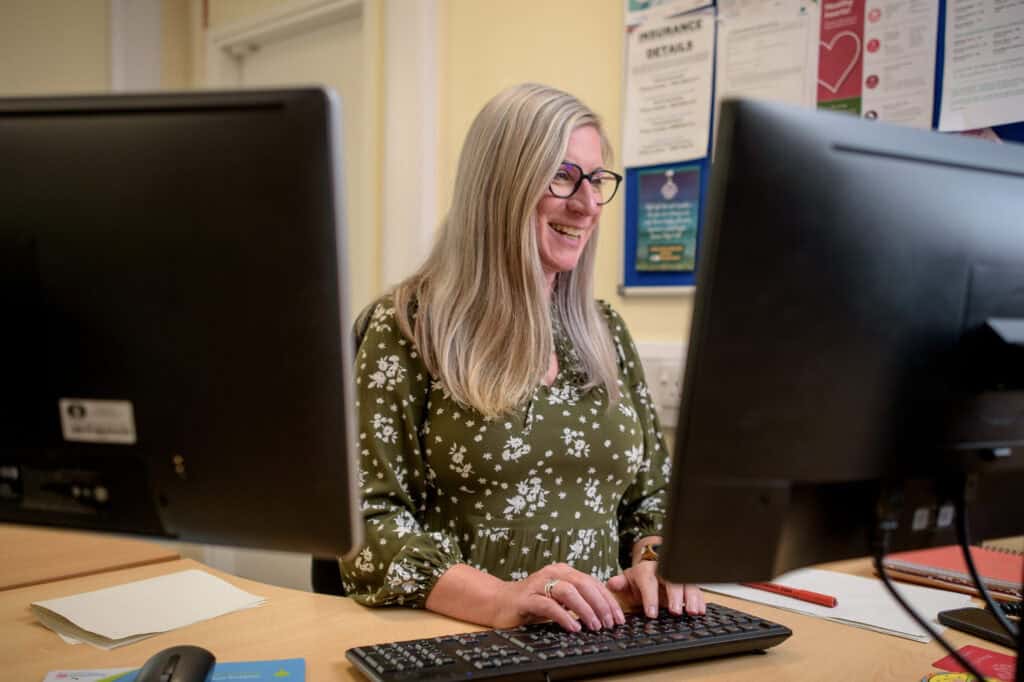
Combining data from national death and cancer registries, healthcare records and questionnaire data with the other data we already have about you provides researchers with a picture of your health, both before and after certain diseases are diagnosed.
This helps research into the potential causes and mechanisms of disease as well as how to treat and prevent them.
Do I need to contact you about my health?
There is no reason for you to contact UK Biobank about your health since we follow your health through linkage to electronic health-related records.
Collecting data electronically on a regular basis (annually for example) means we do not have to keep asking you about changes in your health. It will also contain lots of detail on treatments, operations and procedures, and prescriptions that you may not remember.
Will you provide me with feedback about my health?
UK Biobank does not provide participants with health feedback and all participants agreed to this important principle when they joined the study.
You can find out more about this ‘no feedback approach’ in our agreement with you.
Can I help with research when I die?
Some people choose to leave their body to medical research when they die. UK Biobank is not able to take possession of a body (or organs such as the brain and heart).
However, if you wish to leave your body to science, you should talk to your local teaching hospital which will be able to advise you of the steps to take.