
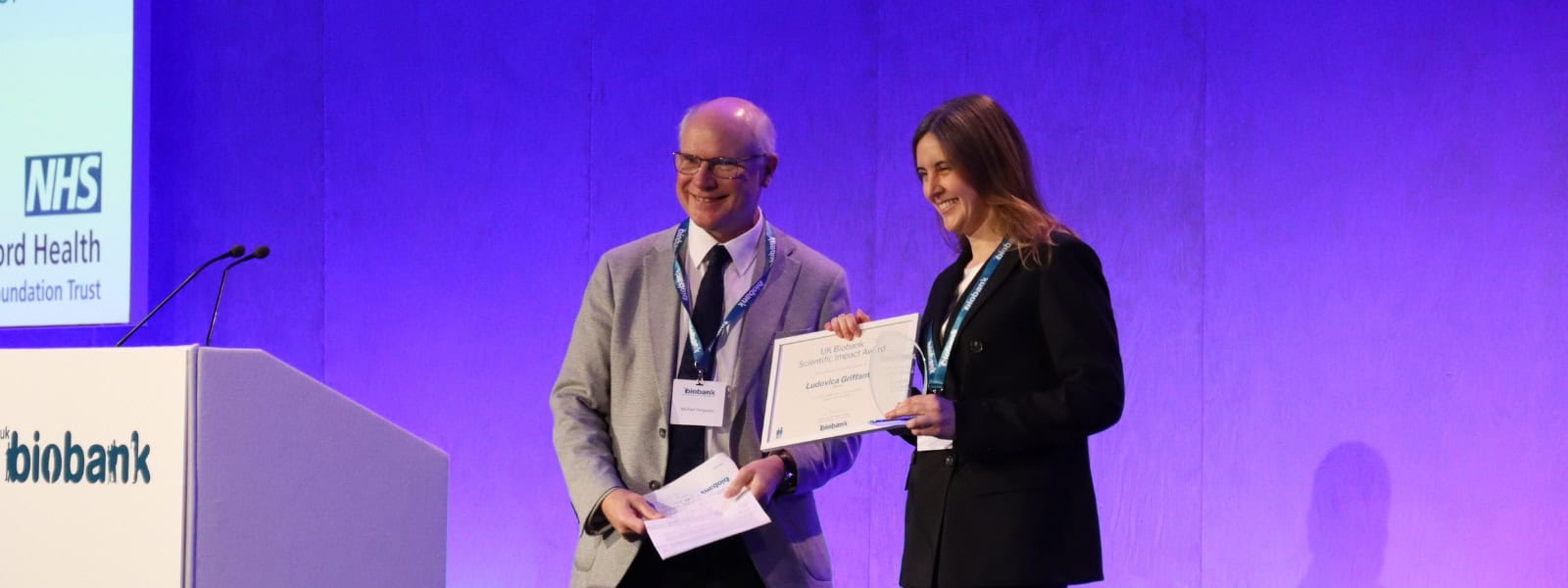
UK Biobank is thrilled to announce the winner of its inaugural Scientific Impact Awards, celebrating individuals and teams whose research is driving meaningful change in health through the innovative use of UK Biobank data.
The 2025 winner is Associate Professor Ludovica Griffanti, part of a team at University of Oxford, UK, who helped to develop a 15-minute brain-imaging method allowing doctors at memory clinics to offer patients more tailored treatments.
This innovative brain-scanning process has become part of routine care for patients at 11 NHS memory clinics, helping doctors to better identify the type of dementia someone has and distinguish it from unrelated conditions.
Ultimately, this means people get the treatment and support to match their needs.
This is a fantastic endorsement and recognition of the massive amount of work done over the last 10 years by two incredible teams that I’m really proud to be part of. It’s been amazing to see what we could achieve, joining our forces with a common mission in mind.
Associate Professor Ludovica Griffanti, University of Oxford, UK
Ludovica appreciates the team effort behind this new method: the UK Biobank brain imaging team at the Oxford Centre for Integrative Neuroimaging, led by Carla Miller and Steve Smith, and the Oxford Brain Health Clinic, led by Claire Mackay in the Department of Psychiatry, University of Oxford and Lola Martos in the Oxford Health NHS Foundation Trust.
Read our research story on the impact of Ludovica’s project by clicking on the card below.

UK Biobank’s 15-minute brain-imaging method allows doctors at 11 memory clinics to offer patients more tailored treatments.
Ludovica’s win was announced at UK Biobank’s Scientific Conference on 8 December 2025 where she was presented with the inaugural award on stage by Professor Sir Michael Ferguson, a member of UK Biobank’s Board of Trustees.
The Participant Advisory Group, who play a central role in ensuring UK Biobank is appraised of the views and opinions of participants, selected the winner and two runners up from a shortlist, evaluated according to impact, innovation, scientific rigour and communication of impact.
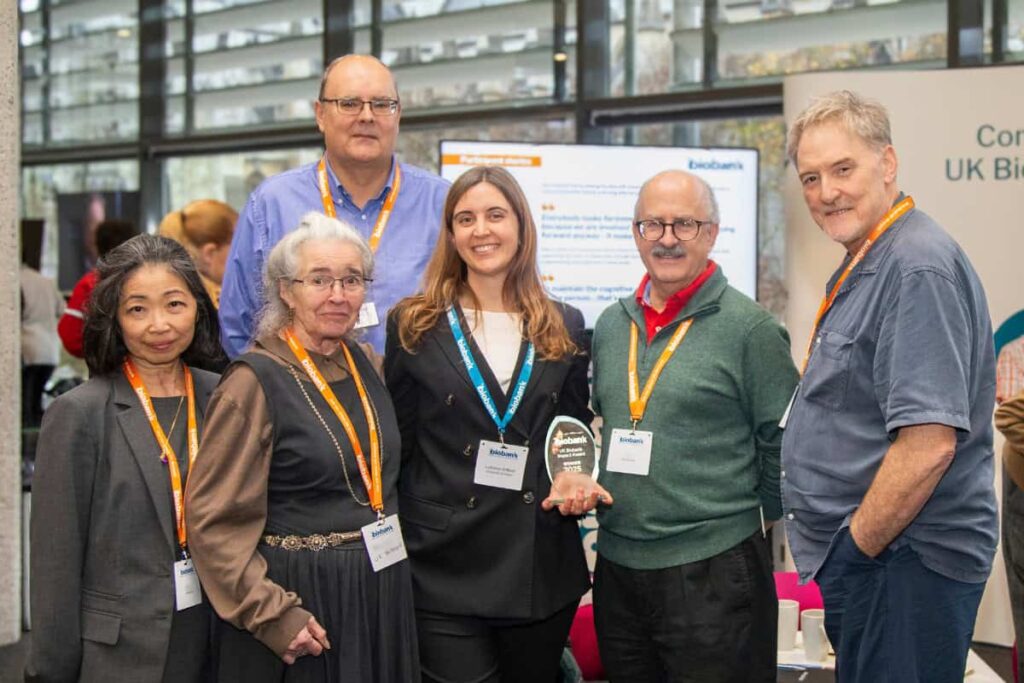
Runners up
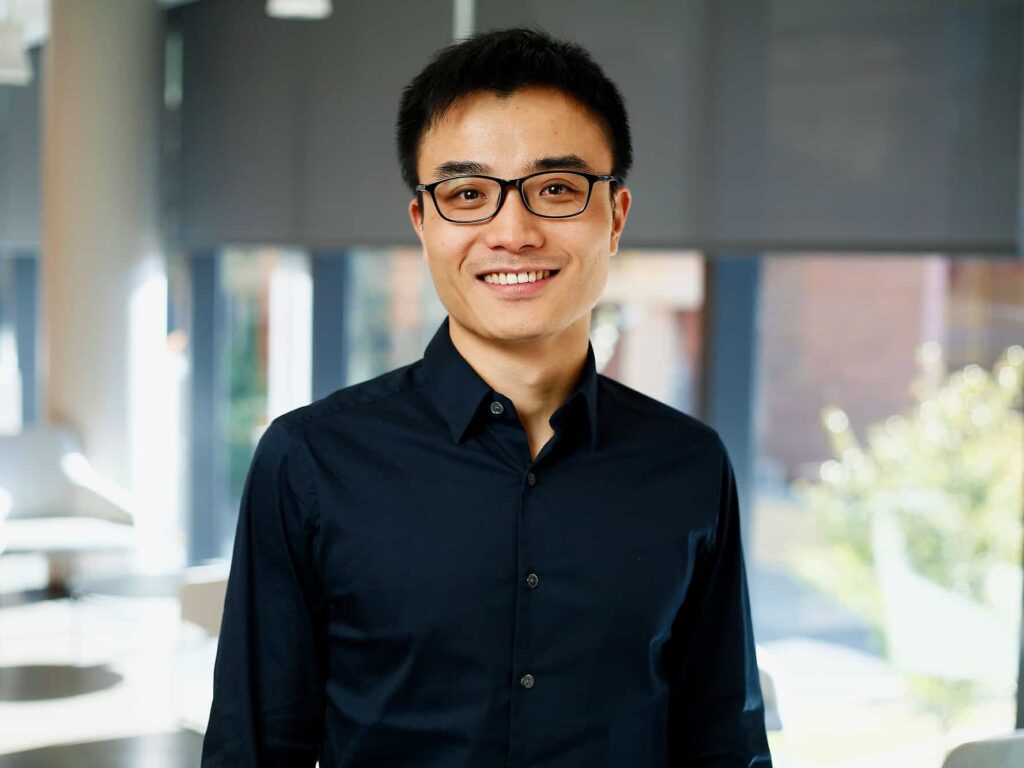
Two runners up of the Scientific Impact Awards were also selected.
Professor Bingxin Zhao from the University of Pennsylvania, US, used scans from more than 40,000 UK Biobank participants to uncover a hidden link between the health of the heart and the brain.
This work suggests that preventing cardiovascular conditions could also benefit the brain, and points towards a more holistic way in which clinicians could predict someone’s risk of multiple diseases.
It is a tremendous honour to have our work recognised by the UK Biobank Impact Awards. This acknowledgment highlights the importance of biobank-scale open-access biomedical resources in accelerating scientific discovery.
Professor Bingxin Zhao, University of Pennsylvania, US
It is deeply motivating for our team as we continue advancing translational research in neurodegeneration, multimorbidity, and aging across multiple organ systems.
Read our research story on the impact of Bingxin’s project by clicking on the card below.
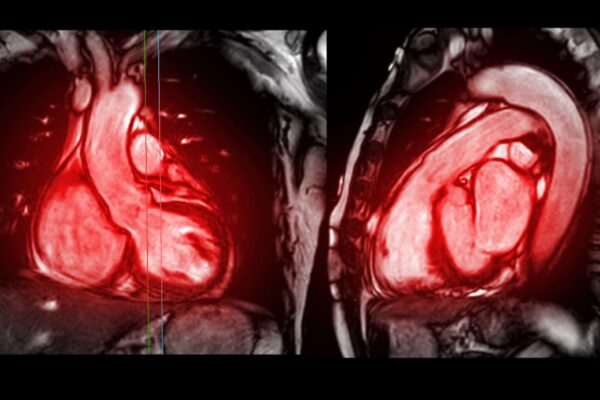
There’s a hidden link between the health of the heart and the brain, scans from more than 40,000 UK Biobank participants suggest.

Callum Hunt from the University of Leicester, UK, and his team carried out the first ever genome-wide study of human foveal development – the tiny pit at the back of the eye that gives us sharp central vision for reading, recognising faces and driving.
Using advanced AI to analyse eye scans from over 60,000 UK Biobank participants, the team identified more than 120 genetic signals that shape how the fovea develops. This has generated great insights into eye development and disease pathways to ultimately help provide better care for patients.
It is a privilege to have this work recognised. It highlights the importance of understanding central vision and demonstrates how population-scale research can achieve direct clinical translation for patients with rare eye conditions.
Callum Hunt, University of Leicester, UK
UK Biobank is a unique resource that has allowed me to integrate retinal imaging, genotype, and proteomics data to drive this work. This gave me the unparalleled depth and scale necessary to phenotype minute eye structures and uncover the genetic determinants of human central vision.
Read more about the ground-breaking study on the University of Leicester’s website.
UK Biobank’s biggest Scientific Conference yet
More than 900 people attended UK Biobank’s Scientific Conference in person and over 1500 people registered to watch online from 50 countries, marking our biggest conference yet.
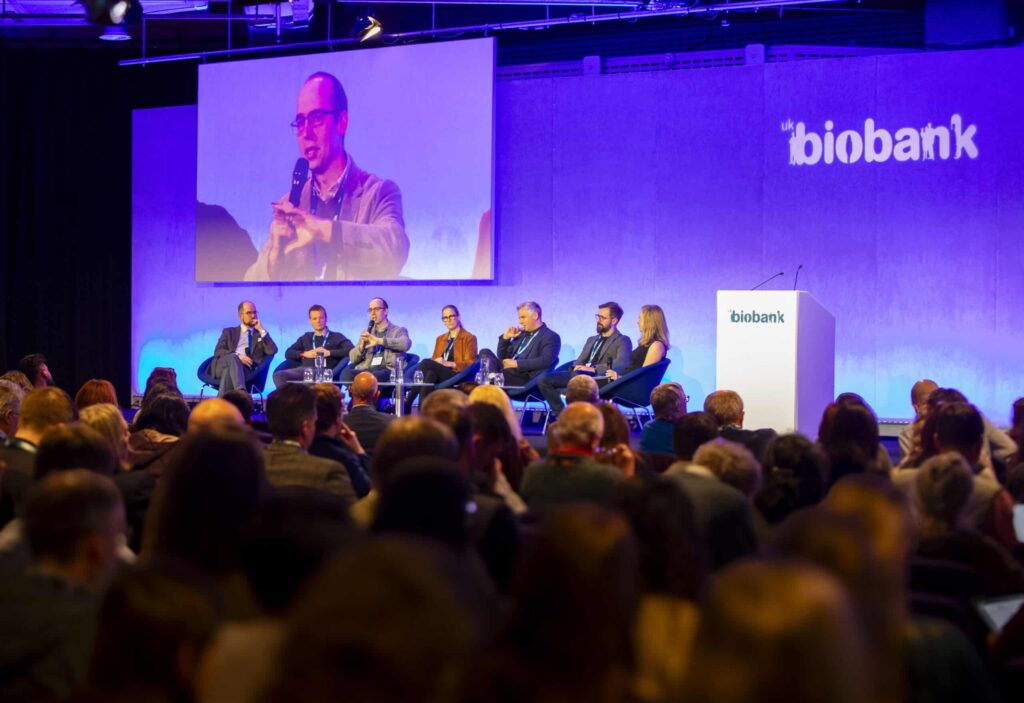
Researchers from across the world came together to hear from leading voices in academia, industry and policy. The programme spanned a rich array of sessions including focus on omics-driven discovery, the power of linked health records, the science of healthy ageing and expanding access through the UK Biobank Research Analysis Platform (UKB-RAP).
The discussions reflected the diversity and depth of research being conducted, and the growing potential of UK Biobank to accelerate breakthroughs across disciplines.
For those who missed it, you can watch back the sessions on the livestream link.
Explore more

Catch up on the highlights of the UK Biobank Scientific Conference 2025 which took place on 8 December in London.

Learn more about how our data is enabling researchers worldwide to make scientific discoveries that improve public health.