

Learn more about the researchers around the world who use UK Biobank data to make scientific discoveries that improve public health.

More than 22,000 researchers from more than 60 countries work with UK Biobank data
UK Biobank was set up to drive health research around the world, and we’re succeeding.
More than 22,000 researchers from more than 60 countries are working with UK Biobank data to discover which people become ill and why.
Researchers use the information and samples provided by our 500,000 participants to find new ways to prevent, diagnose and treat a huge variety of conditions – from cardiovascular disease to cancer, diabetes to dementia.
We accept applications from researchers across the world. You can find out more on the Access to UK Biobank data page.
Explore our interactive map
Hover over the world map below to see where in the world our researchers are based.
Meet some of our researchers
Meet some of the researchers around the world using UK Biobank data to make an impact on global health in different disease areas:
Bones, joints and muscles
Rafaella Rogatto de Faria, University of São Paulo, Brazil
Global Researcher Access Fund recipient
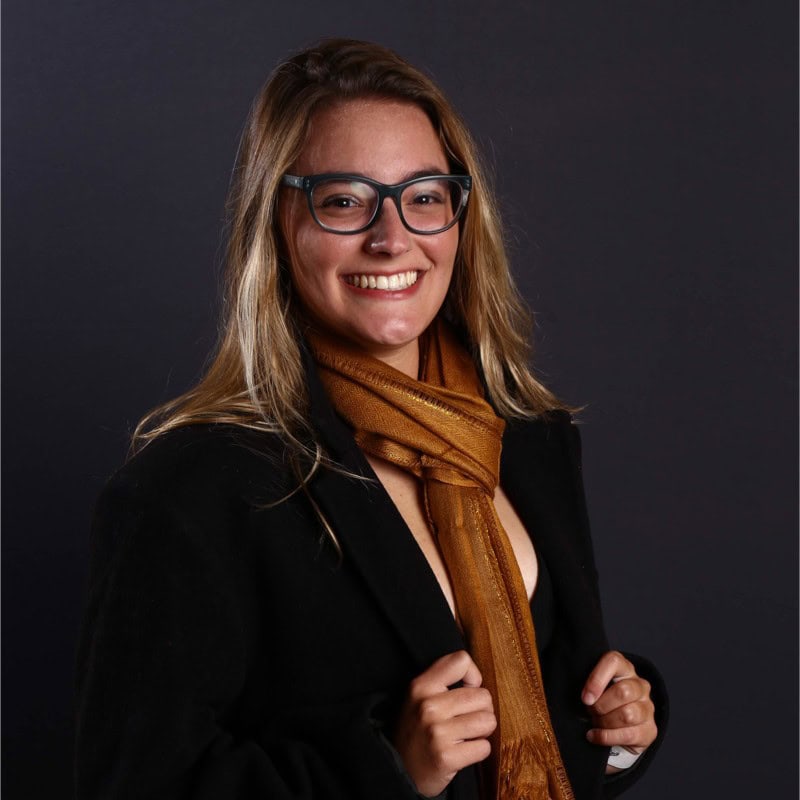
Biomedical engineer Rafaella Rogatto de Faria from Brazil’s University of São Paulo works on finding better ways to diagnose and treat cartilage injuries and osteoarthritis.
Current treatments focus on alleviating pain and improving joint function, but we are not capable of altering the progression of the disease.
UK Biobank data help Rogatto de Faria to find out what role genes play in these conditions and whether different people would benefit from different treatments.
UK Biobank’s Global Researcher Access Fund significantly reduced financial barriers faced by researchers in lower-income countries, she says: “UK Biobank takes proactive action to ensure that talent and innovation are not restricted but encouraged.”
Project: Osteoarthritis and cartilage injury
Brain disease
Jin-Tai Yu, Fudan University, China
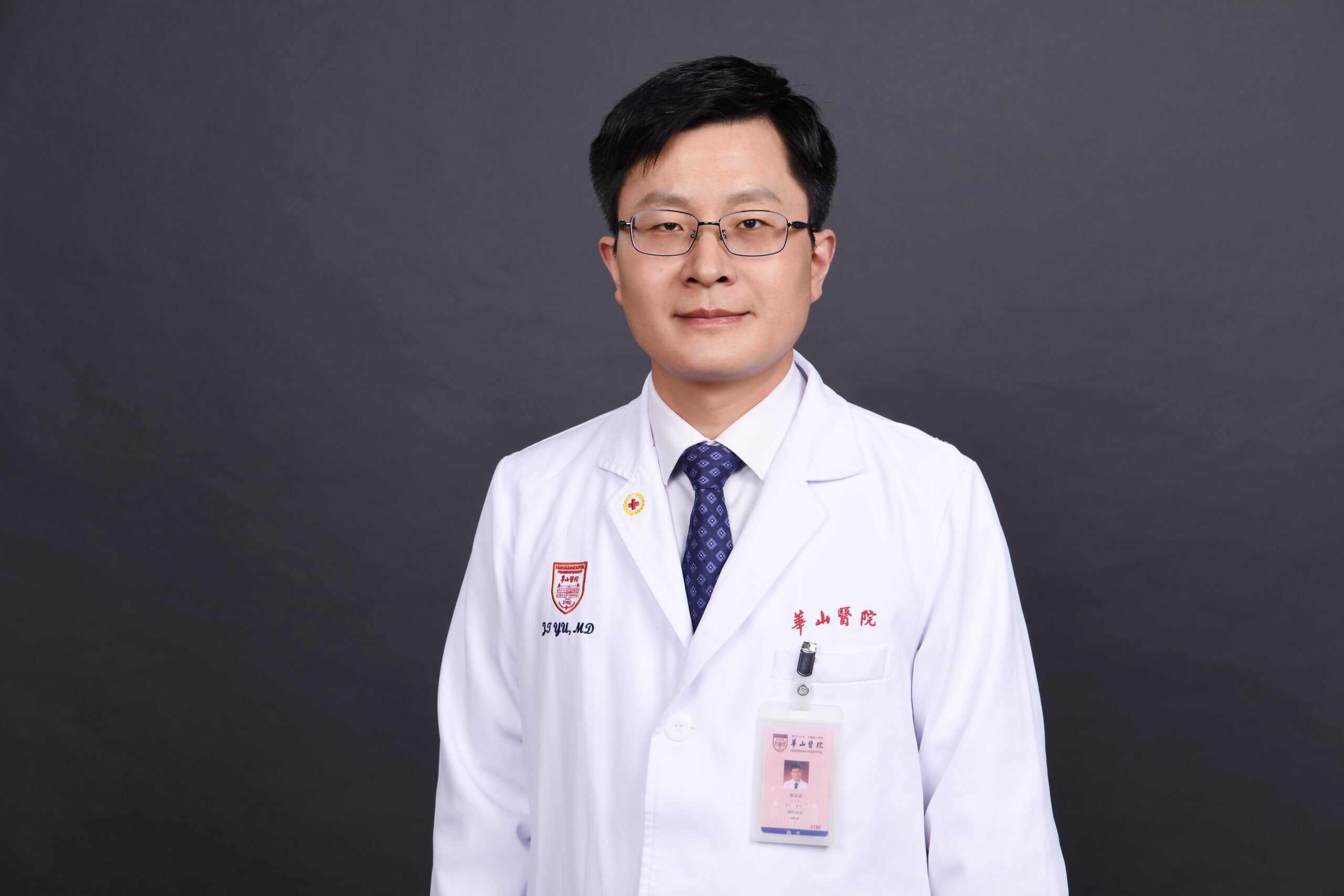
Neurologist Jin-Tai Yu from China’s Fudan University uses UK Biobank data to improve diagnosis and treatment of Alzheimer’s disease.
The huge amount and variety of information UK Biobank holds on participants – from brain scans to blood components – are essential for gaining insight into this and other complex brain conditions, Yu explains.
A pivotal discovery is our identification of [blood components] predicting Alzheimer’s disease over a decade before clinical onset.
Projects: Precision health with multi-omics strategies and deep phenotypes and Polygenic risk for Alzheimer’s traits
Chronic pain
Luda Diatchenko, McGill University, Canada
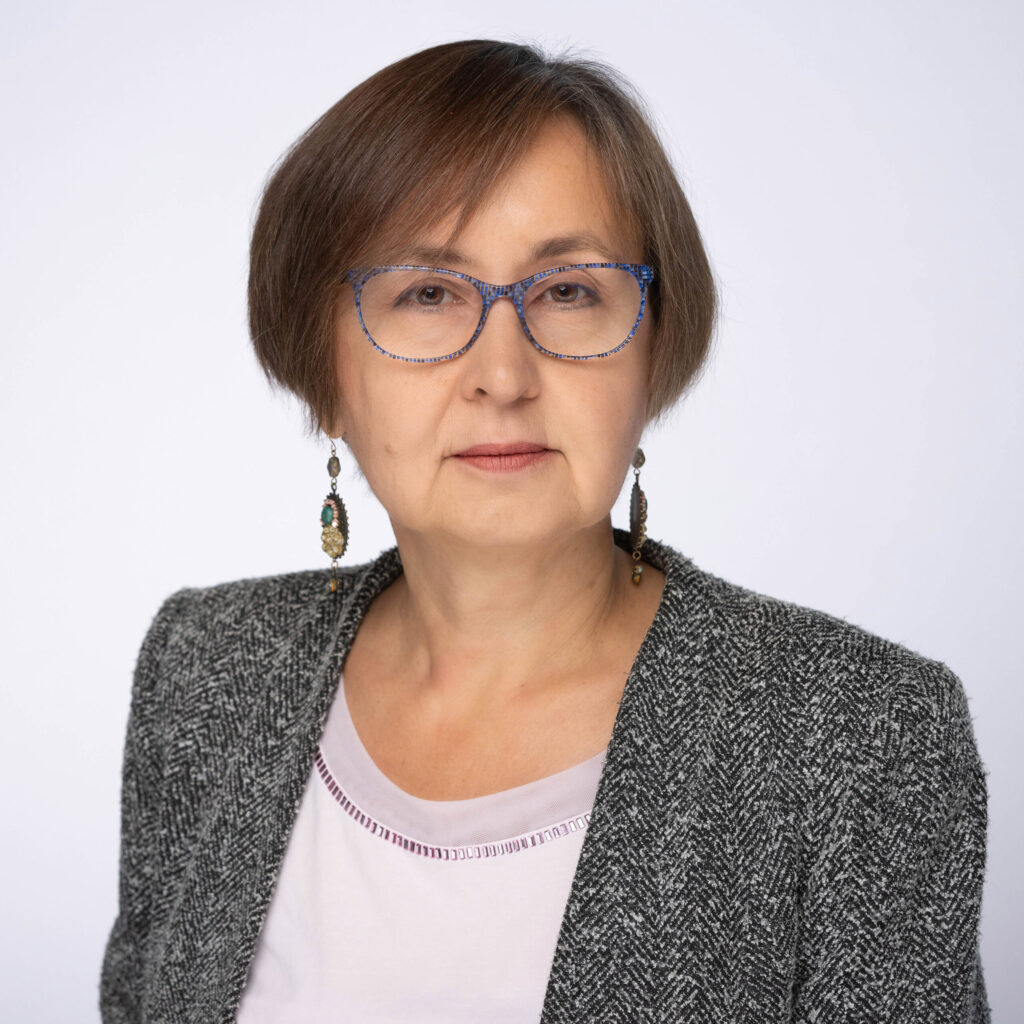
Luda Diatchenko’s research focuses on chronic pain, a little-understood condition that in the UK affects more than 40% of people. For example, she used UK Biobank data to show that genetic variation affecting brain structure is one of the reasons for why more women than men experience chronic pain.
Diatchenko remembers first hearing about UK Biobank a decade ago.
I really couldn’t believe that something of that scale exists.
Having access to a huge number of people’s DNA is key to understanding the genetic underpinnings of health conditions, she says. “UK Biobank changed everything we’re doing.”
Project: A replication study of pain interactions with comorbidities
Eye health
Kwadwo Owusu Akuffo, Kwame Nkrumah University of Science and Technology, Ghana
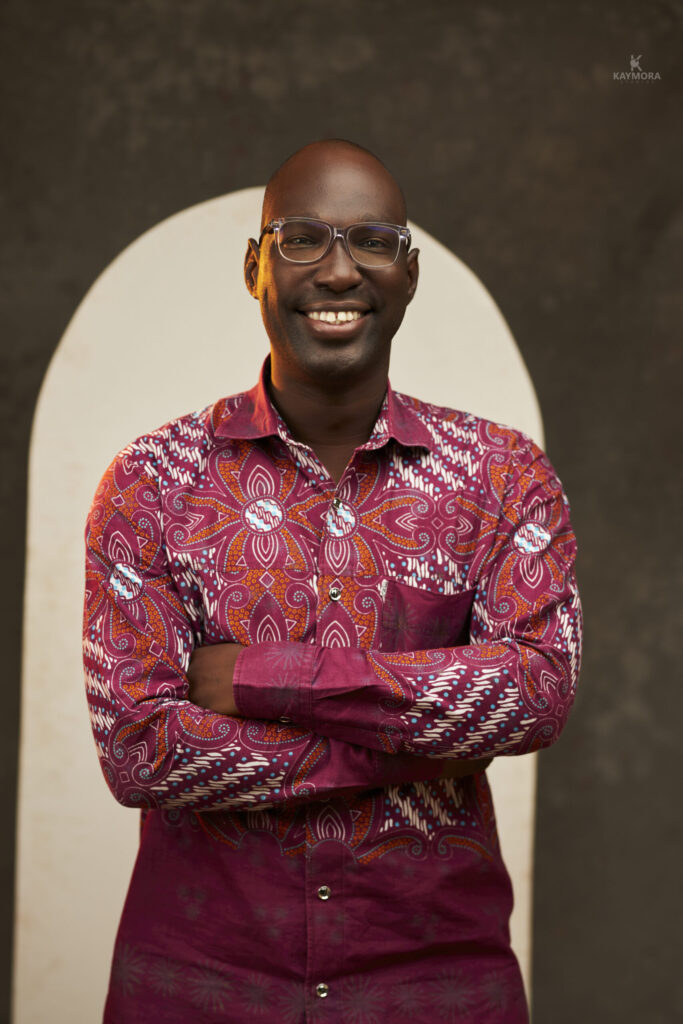
Optometrist and researcher Kwadwo Owusu Akuffo from Kwame Nkrumah University of Science and Technology, Ghana, uses UK Biobank data to explore how income, education and other socioeconomic factors affect the risk of eye conditions such as refractive errors.
He hopes that this will inform policies that reduce preventable vision loss and improve access to eye care for disadvantaged populations.
Without UK Biobank, this research would rely on much smaller studies with limited follow-up, making it difficult to draw strong conclusions or examine health inequalities at a population level.
Project: Socioeconomic status and eye disease: An analysis using UK Biobank data
Genetic diseases
Eleftheria Zeggini, Helmholtz Munich, Germany
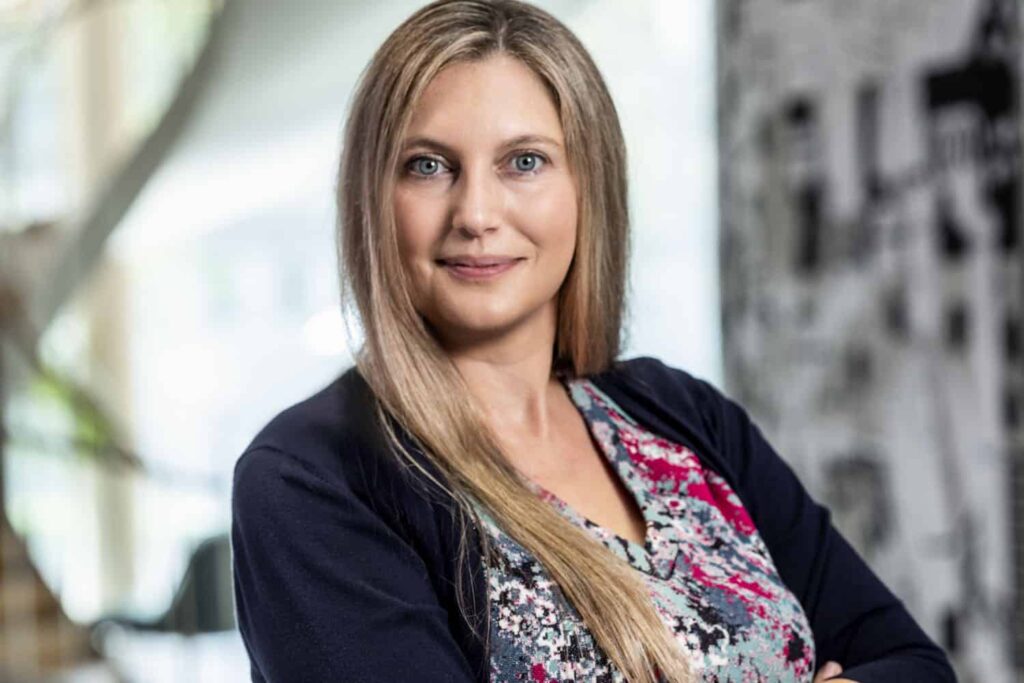
Genomics researcher Eleftheria Zeggini is using UK Biobank’s genetic data to better understand what causes osteoarthritis and diabetes and to uncover new treatments.
To do this, she is studying inherited factors that make people more likely to develop the conditions.
She also builds digital twins, virtual replicas of the body that could help doctors to tailor treatment to each patient’s unique metabolism. The long-term goal is to predict who will get the condition – and prevent it from happening.
Projects: Genetics of osteoarthritis and Cardiometabolic trait genetics
Christophe Stevens, Imperial College London, UK
Platform Credits Programme recipient
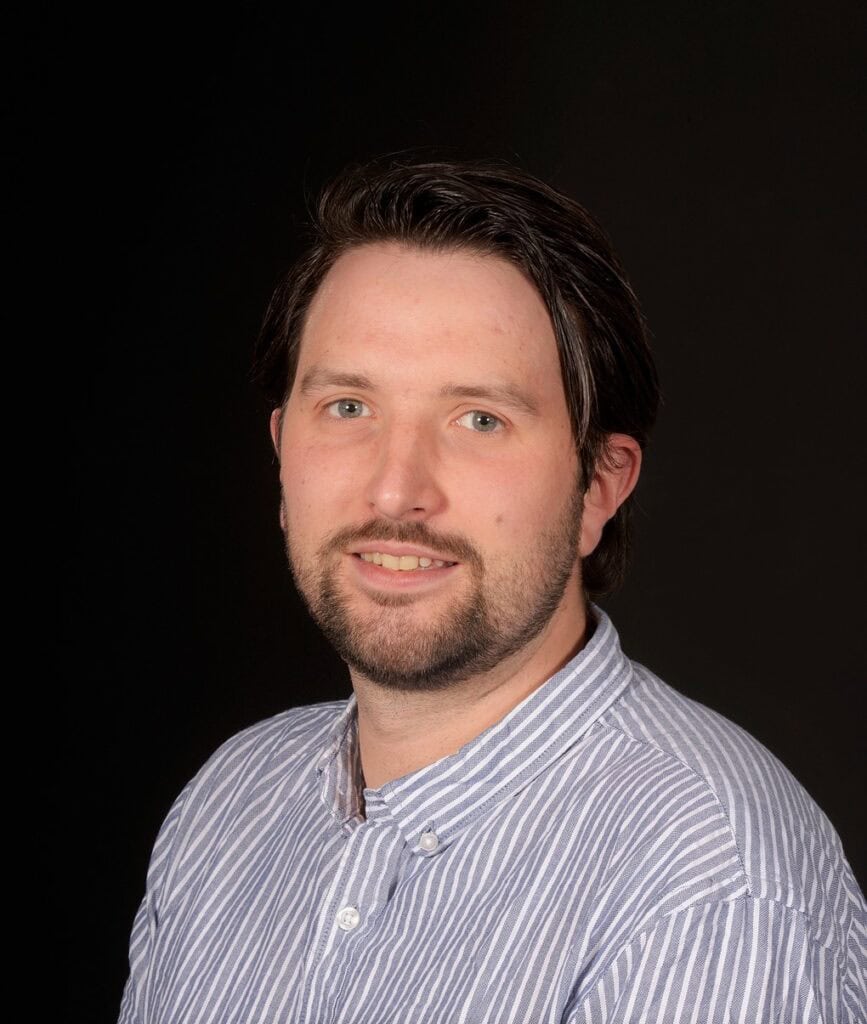
Early-career researcher Christophe Stevens from Imperial College London, UK, uses UK Biobank data to create an algorithm that could help doctors to spot familial hypercholesterolemia.
This genetic condition, which goes undiagnosed in around 85% of people who have it, gives people high cholesterol levels from birth.
UK Biobank is renowned for the good quality of data – especially the extent of genetic information is unparalleled.
In 2022, he became the first PhD student to receive support from UK Biobank’s Platform Credits Programme. “This was quite important to have because I was not funded by any kind of funding body,” Stevens says.
Projects: Lipoprotein model and Familial hypercholesterolemia
Keri Multerer, Victoria University of Wellington, New Zealand
Platform Credits Programme recipient
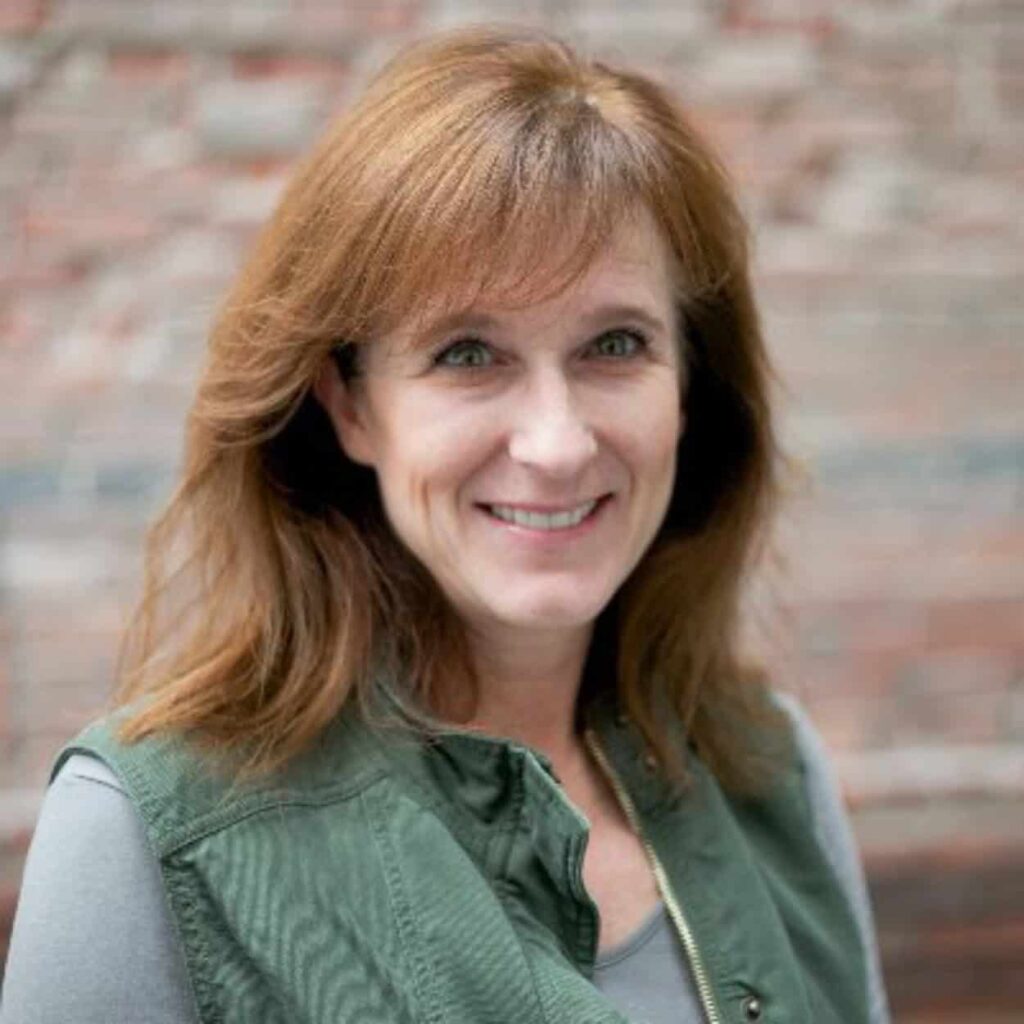
Twenty years after leaving academia with a master’s degree, data scientist Keri Multerer taught herself coding and joined a team of researchers at Victoria University of Wellington, New Zealand.
She now uses UK Biobank data to explore how genetic factors combine in determining someone’s risk of complex diseases such as diabetes. This could eventually help doctors to provide treatments that are tailored to people’s genetics.
[Funding through UK Biobank’s Platform Credits Programme] was fantastic to have, because as an early-career researcher, you don’t know what tools you’re going to need.
Project: Polygenic risk scores
Heart disease
Javier Calvo Marín, University of Costa Rica
Global Researcher Access Fund recipient

Endocrinologist Javier Calvo Marín from the University of Costa Rica uses UK Biobank data to explore how managing cardiovascular risk affects older adults.
Ultimately, he wants to use these insights to give his patients practical recommendations for staying healthy later in life.
In Costa Rica, many research initiatives are driven by dedication rather than substantial funding, often requiring clinicians to balance dual roles as healthcare providers and researchers. UK Biobank’s accessibility, high-quality data and global collaborative environment were game changers.
Project: Cardiorenal complications
Pradeep Natarajan, Massachusetts General Hospital and Broad Institute, USA
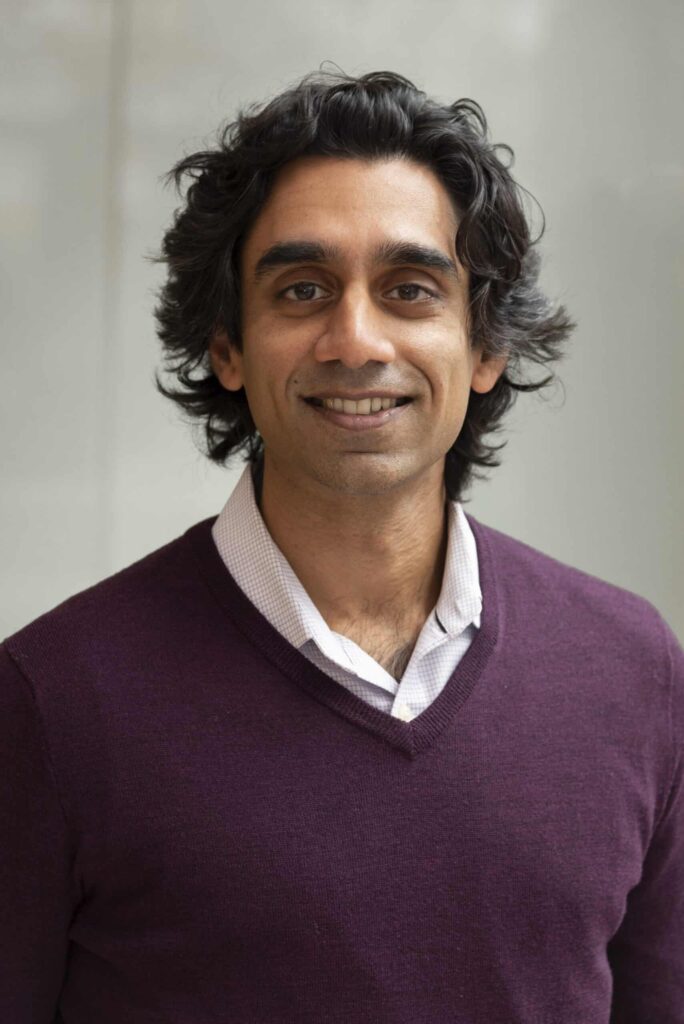
Cardiologist and geneticist Pradeep Natarajan, from Massachusetts General Hospital, USA, uses UK Biobank data to find new ways to predict and prevent coronary heart disease, a major cause of death worldwide.
My research is fuelled by clinical observations and questions that patients bring in.
He has co-developed an artificial-intelligence method that finds subtle warning signs of heart disease in the spleen, an organ that’s usually overlooked in clinical scans.
To understand complex conditions such as heart disease, scientists need to collect health data, blood samples and medical images from huge number of people – something only very few individual teams can do. “UK Biobank data really levelled the playing field,” Natarajan says. And because everyone is working with data from the same source, “it fostered a need and ability for collaboration”.
Project: Premature coronary artery disease
Infections
Pooja Umesh Shenoy, Yenepoya University, India
Global Researcher Access Fund recipient
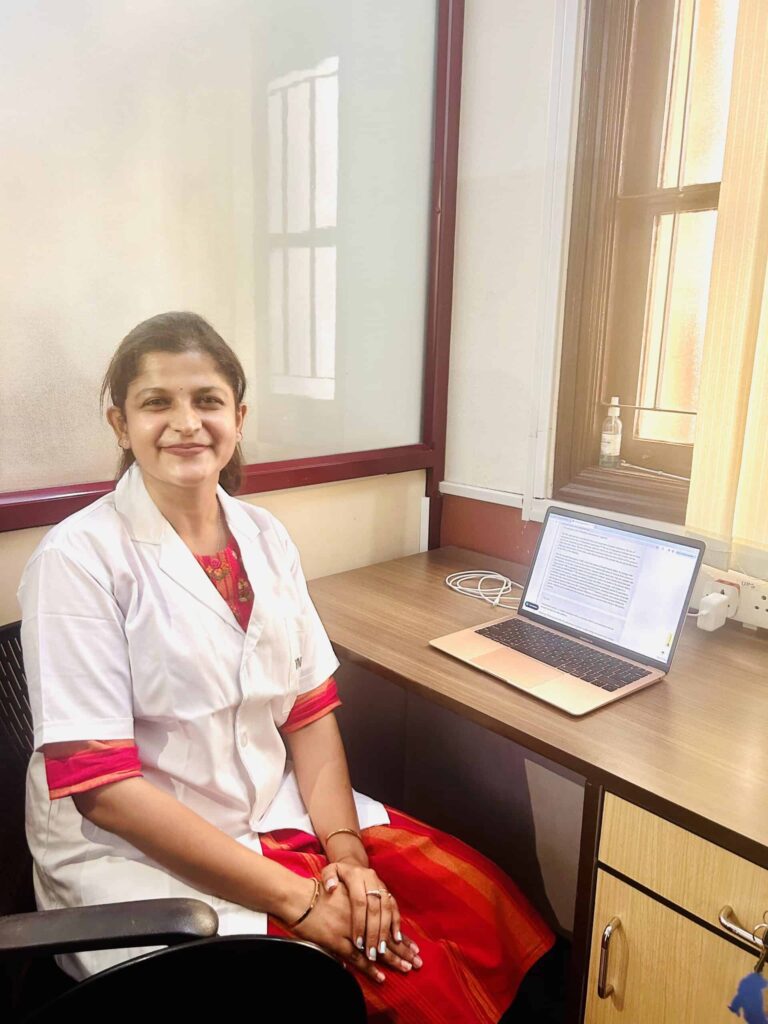
Early-career researcher Pooja Umesh Shenoy from India’s Yenepoya University uses UK Biobank data to look for genetic differences between people who get very ill with COVID-19 and others who barely notice that they have the virus.
“It’s the first study in India to focus on post-COVID complications,” she says. There is little data available on people’s experience of long COVID, which often starts with mild symptoms such as headaches or chest pain but can lead to complications including neurological issues or heart attacks.
This research aims to raise awareness and encourage early action to prevent long-term risks.
Project: Genetic factors associated with the severity of COVID-19
Duniel Delgado Castillo, National Autonomous University of Mexico
Global Researcher Access Fund recipient
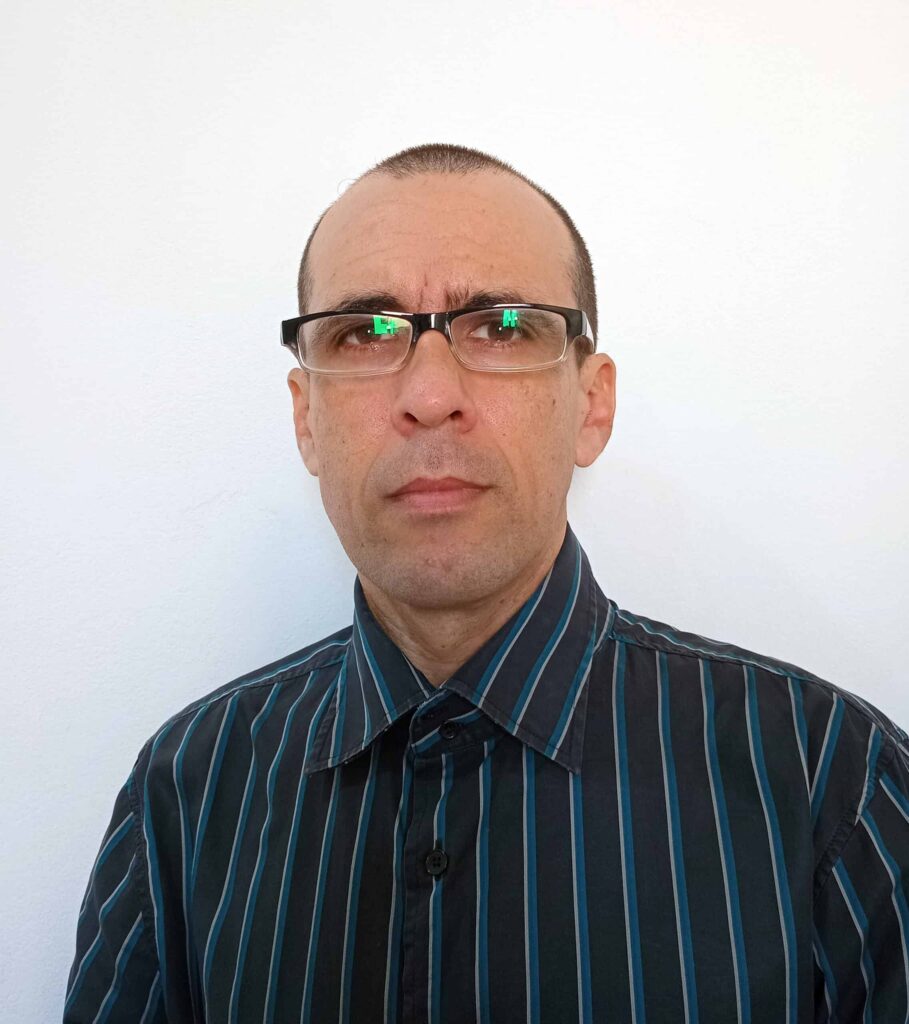
Early-career researcher Duniel Delgado Castillo from the National Autonomous University of Mexico uses UK Biobank images to investigate how COVID-19 impacts the brain.
The scans “enable the detection of subtle brain changes that might be challenging to identify using other datasets”, he explains. The results could help to find out how other conditions, including neurodegenerative diseases or traumatic injuries, affect the brain.
Delgado Castillo was supported by UK Biobank’s Global Researcher Access Fund.
Without this support, it would have been impossible to acquire the data necessary for developing my doctoral project.
Project: Morphological changes of brain structures in patients affected by COVID-19
Mental health
Albert Yang, National Yang Ming Chiao Tung University, Taiwan
Transition Credits Programme recipient
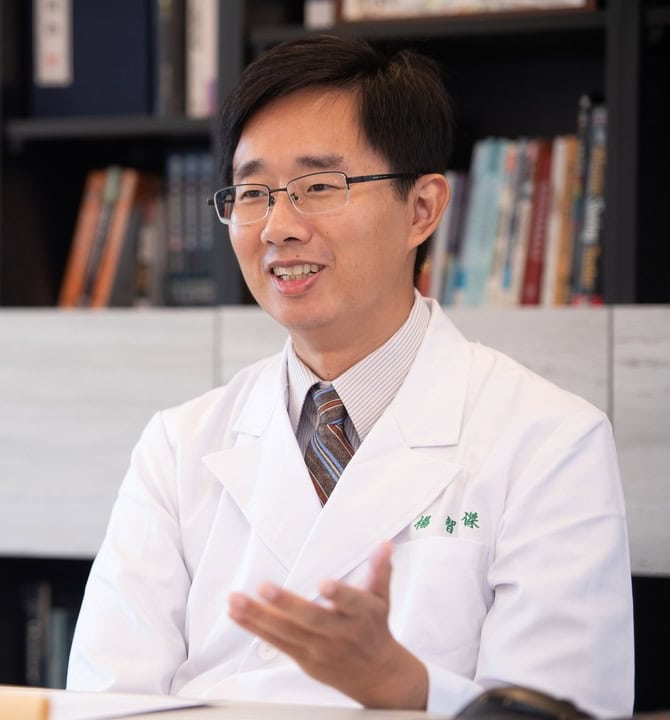
Neuropsychiatrist Albert Yang from Taiwan’s National Yang Ming Chiao Tung University uses UK Biobank brain images to better understand – and eventually treat – mental health conditions such as bipolar disorder and depression. Some of his early results indicate that people who have experienced suicidal thoughts have differences in how parts of their brains are connected.
“I think UK Biobank did a fantastic job: they share a lot of data with the research community, but they also have very strict measures to protect participants’ privacy,” Yang says.
Without UK Biobank, we couldn’t do research like this.
Funding from UK Biobank’s Transition Credits Programme was “really helpful”, he says: “Imaging data is quite large, it involves a lot of computational resource.”
Project: Hearing impairment and its effects on cognition and life quality
Cathy Wyse, Maynooth University, Ireland, and University of Edinburgh, UK
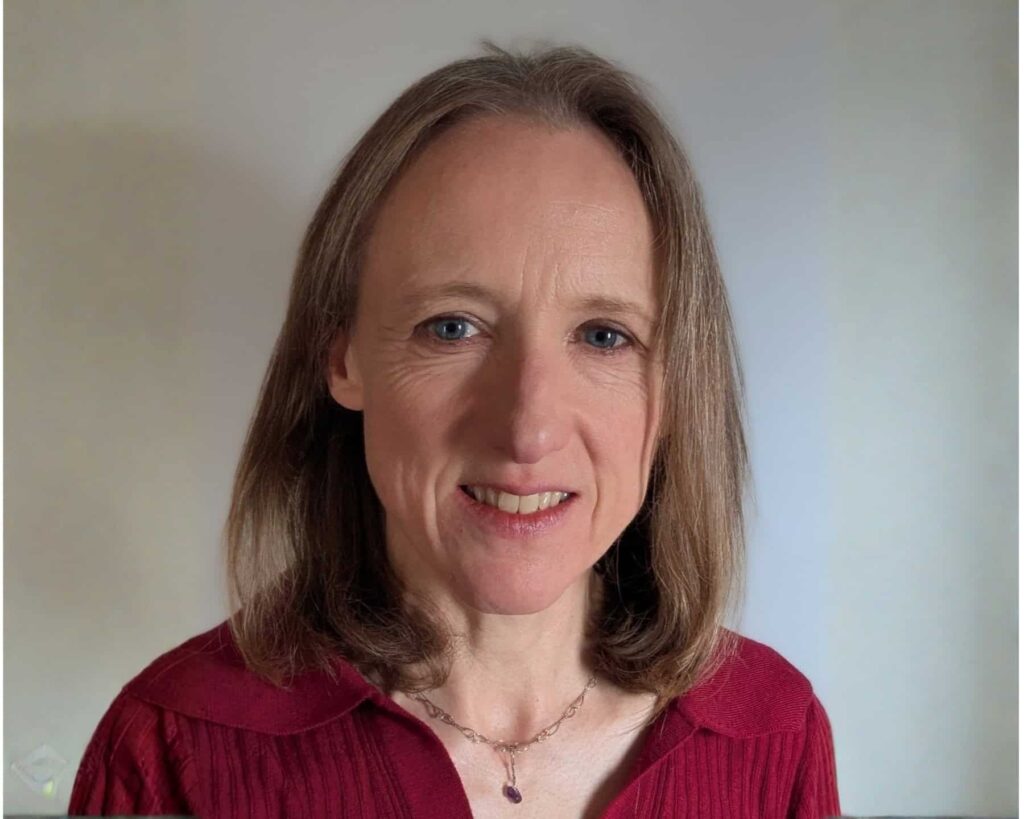
Chronobiologist Cathy Wyse investigates how our bodies change across days and seasons: “My early work was mostly in animals; UK Biobank gives us an unprecedented opportunity to look at these rhythms in humans.”
Unravelling how the built-in clock in our brain drives changes in the body could help us to understand why we get sick more in winter. “As well as diet and exercise, we also need to think about our rhythms and how to keep those healthy,” Wyse explains.
She is now using UK Biobank data to study seasonal changes to mental health conditions, which could eventually lead to better support for patients.
The work that I am doing now, I couldn’t do with any other data.
Projects: Exploring time dimensions of human health and wellbeing and Urbanisation, circadian rhythmicity and metabolic and mental Health
Nutrition and metabolism
Shareefa Dalvie, University of Cape Town, South Africa
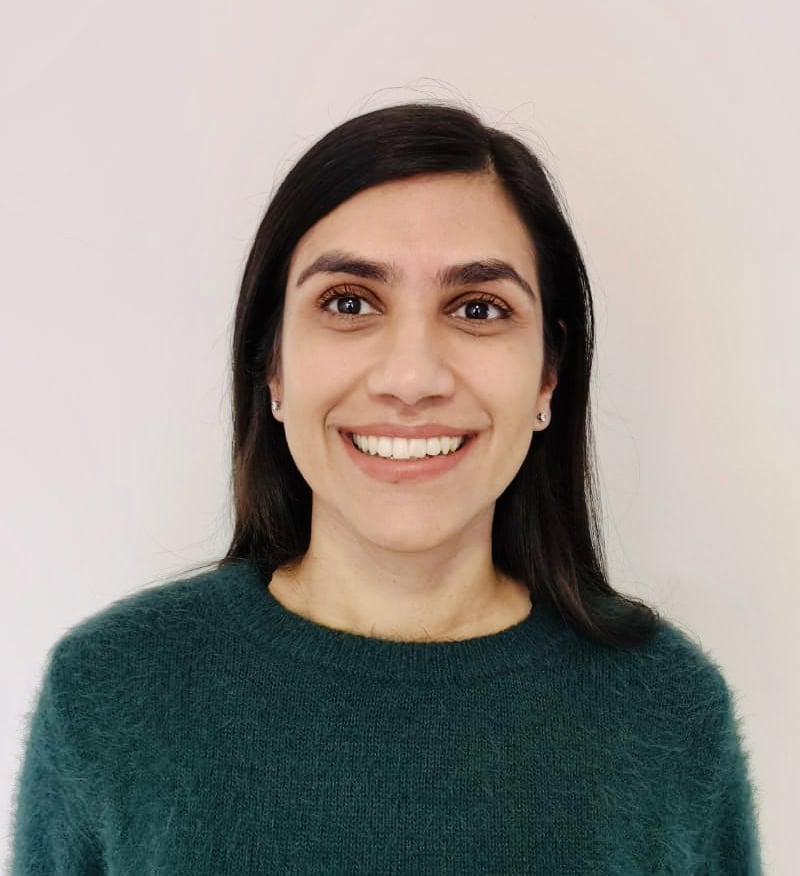
Geneticist Shareefa Dalvie from the University of Cape Town in South Africa investigates how genes and environment contribute to someone’s risk of developing complex conditions such as type 2 diabetes.
Without UK Biobank, many of my research questions would be limited by insufficient sample sizes and data availability.
As a researcher based in South Africa, she is particularly motivated to study underrepresented populations and work towards reducing health disparities. While only few UK Biobank participants are from African ancestries, UK Biobank “remains one of the few resources with genomic data that includes a meaningful number of people from diverse backgrounds,” Dalvie explains.
Project: Gene x environment interactions for diabetes and metabolic traits
Kezia Irene, Kalbe Farma, Indonesia
Global Researcher Access Fund recipient
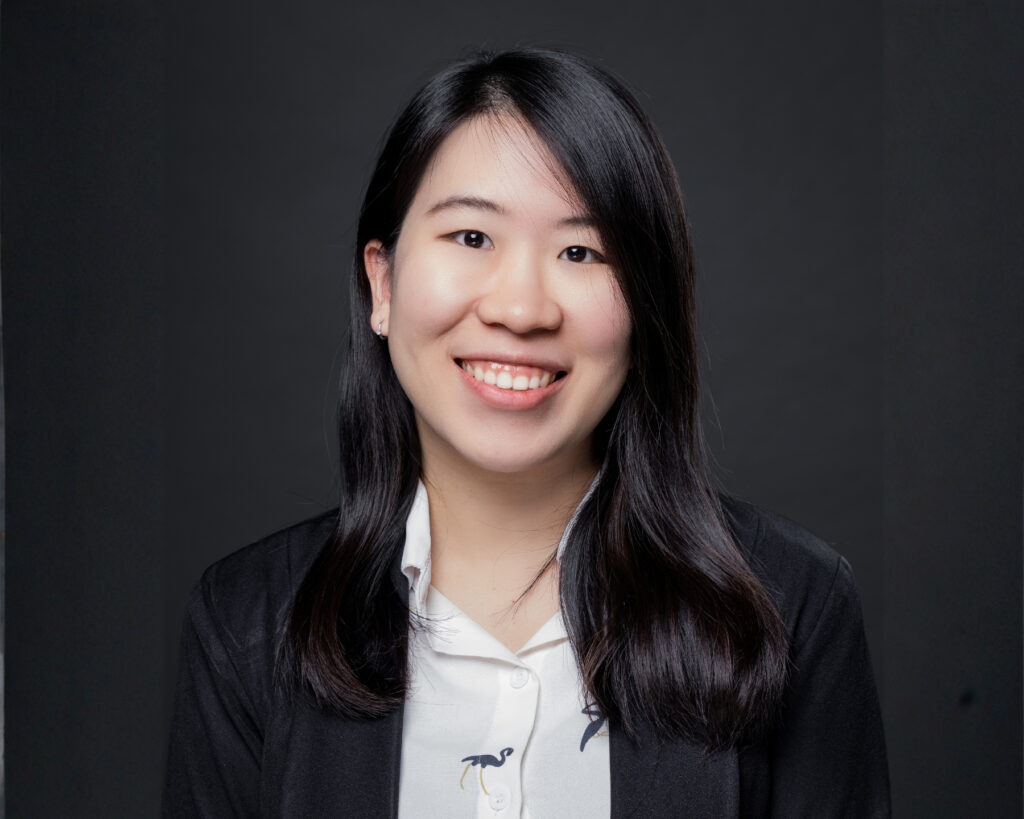
Data scientist Kezia Irene works at Kalbe Farma, Indonesia’s largest pharmaceutical company, on understanding what role genes play in obesity.
“Obesity is not talked about a lot here, although numbers are soaring high,” she explains “91% of the research [on obesity genetics] comes from European populations, which might not be suitable for Indonesian people.
Our aim is to use UK Biobank data, especially those of the Asian populations, to validate our findings for Indonesian populations.
Eventually, she wants to be able to give people recommendations, based on their genetics, for how to best manage the condition. UK Biobank’s Global Researcher Access Fund was transformative, she says: “It removed our financial barriers and gave us access to world-class data sets.”
Project: Obesity risk prediction
Joanne Cole, University of Colorado, USA

Joanne Cole uses UK Biobank data to study the genetic underpinnings of eating behaviour, diabetes and kidney disease. Her passion project: finding genes that affect what foods we like.
“If we can learn about those pathways, maybe we can help people eat healthier,” she explains.
When Cole started working in the field, researchers would have to make do with datasets containing DNA from a few thousand individuals.
It wasn’t until UK Biobank data came out that researchers realised that we need massive sample sizes to do real genetic discovery.
Urinary health
Eden Tekle, Jimma University, Ethiopia

Biomedical engineer Eden Tekle from Ethiopia’s Jimma University is developing artificial-intelligence algorithms that can spot early signs of chronic kidney disease – through the eye.
For this, she uses UK Biobank retina images. These routine photos of the back of the eye hold a huge amount of information about someone’s health.
Accessing large, high-quality datasets is one of the greatest challenges for researchers, especially in developing countries.
Without UK Biobank data, her project would have been severely limited in scale, scope and reliability, she adds.
Project: Early prognosis of renal function using retinal fundus image analysis
Financial support
We offer financial support to those who need it to access UK Biobank data including students, early-career researchers and researchers based in lower-income countries.
-

Around 800 projects led by student researchers
Supported by reduced-fee access to UK Biobank’s data.
-

Almost 800 early-career researchers and researchers from lower-income countries
Supported by our Global Researcher Access Fund and our Platform Credits programme.
The Global Researcher Access Fund covers the application fee to access UK Biobank data.
The Platform Credits Programme, supported by AWS, offers funding towards the cost of computational analysis of UK Biobank data. -

More than 100 researchers
Received the Transition Credits Programme, provided by Wellcome Trust.
This supported their move to the UKB-RAP, UK Biobank’s cloud-based data and computing platform.


