
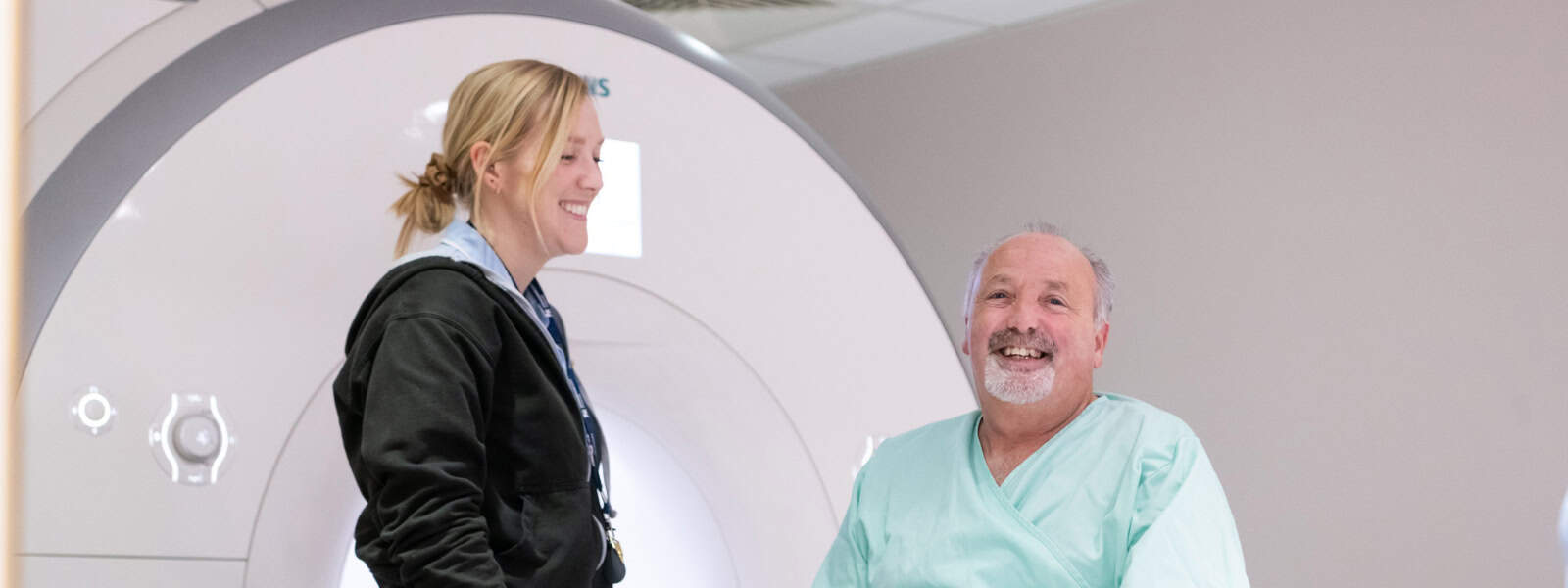
Learn more about the participants who provided their biological, health and lifestyle information to contribute to UK Biobank, the world’s most comprehensive health dataset.
We continue to collect data from existing participants, but we are not currently recruiting new participants.
Taking part
- Between 2006 and 2010, we recruited 503,317 volunteers.
- Participants lived within a roughly 25-mile (40-km) radius of one of our 22 centres in Scotland, England and Wales.
- Around 86% of participants lived in urban areas at the time of recruitment.
- During recruitment, up to six centres were open at any one time, each seeing around 100 participants per day. A visit took around 2.5 hours.

Around 600 participants were seen per day, totalling 503,317 people

Demographics
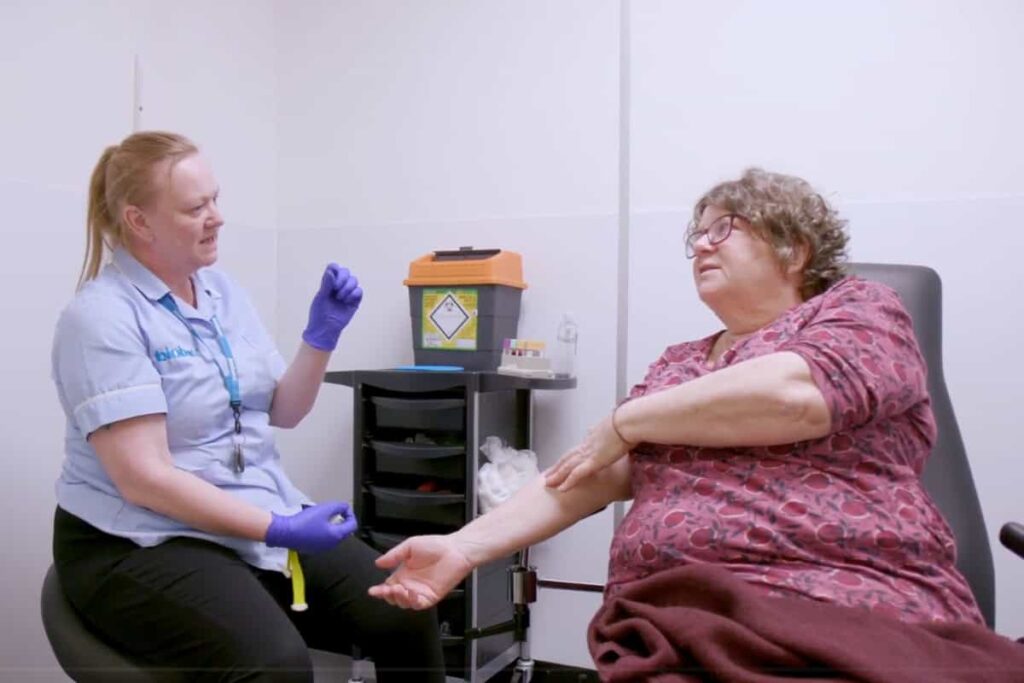
- 54% of our participants are female according to their NHS records, 46% are male.
- At the time of recruitment, 24% of participants were aged 40 to 49, 34% were aged 50 to 59 and 42% were aged 60 to 69.
- Our participants come from many backgrounds, with more than 41,000 born outside of the UK.
- Participants have a huge variety of jobs – from farmers and biochemists to artists and sales assistants.

54% of participants are female
Health
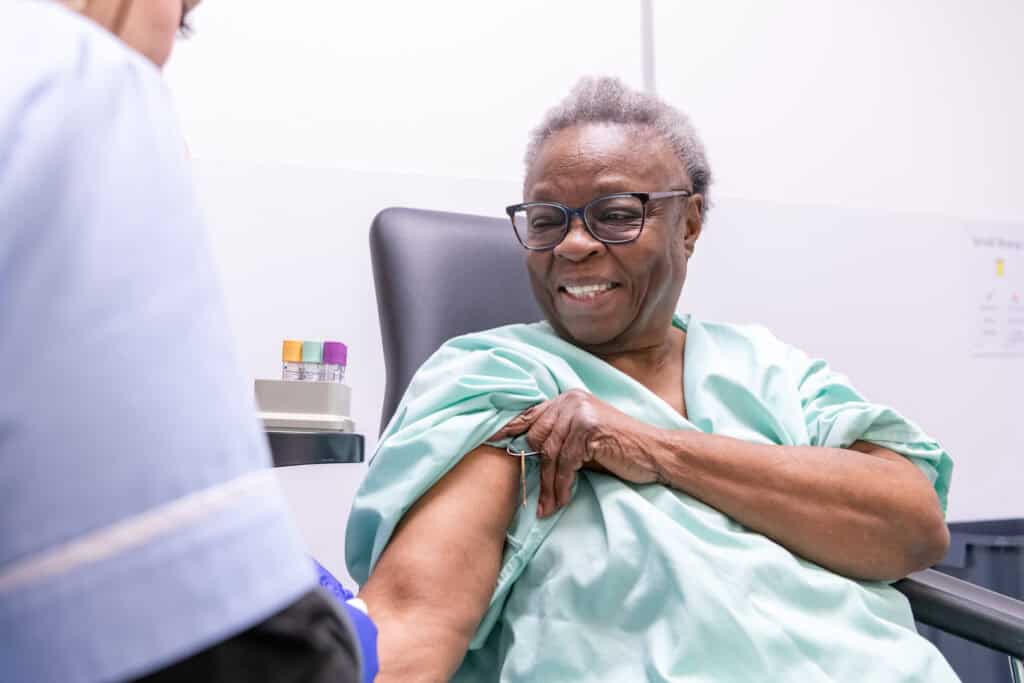
- At the time of recruitment, some of the most common self-reported health conditions were hypertension (high blood pressure), hypercholesterolemia (high cholesterol) and asthma.
- At the time of recruitment, the most commonly taken medications our participants told us about taking were painkillers (with paracetamol being the most common), the high-cholesterol medication simvastatin and omeprazole, a medication to treat heartburn.
- More than three quarters of participants told us they had had at least one major operation that required staying overnight in a hospital.

Most common self-reported health conditions: hypertension, hypercholesterolemia and asthma
Preferences
- On average, our participants told us that they get seven hours of sleep per night. The majority consider themselves a ‘morning person’, rather than an ‘evening person’.
- Among the participants who answered our food preferences questionnaire, the food most people had an extreme liking for were tomatoes and fruit – with liver and sweetened tea being the most disliked foods.

On average, participants get seven hours of sleep per night

I feel so strongly about this, I couldn’t not do it. I’m not doing this because I want to know what’s going on in my body. I have grandchildren now and I really want future generations to benefit.
Roz, UK Biobank participant
A note on demographics
UK Biobank participants are on average slightly wealthier and healthier compared with the national population at the time of recruitment. This ‘healthy volunteer bias’ is common in many research studies that recruit people from the general population.
UK Biobank was designed to limit as much bias as possible. Nevertheless, it’s important for researchers to be aware of potential biases in the data so that results can be interpreted appropriately. Broadly speaking, as long as there are sufficient numbers of participants across all levels of a risk factor, associations found between this factor and disease risk are likely to be generalisable.
For example, while 86,000 of our participants live in the most deprived third of the country, links between socio-economic deprivation and disease risk are likely to apply to the broader population.
Our participants are mostly (94.6%) of white ethnicity, which reflects the national population around the time of recruitment (94.5% in the 2001 UK Census; 91.3% in the 2011 Census).
Because of the relatively low numbers of minority ethnic participants, UK Biobank data is not well placed to look at the effects of factors on disease risk across different ethnic groups.
A scientific review – authored by UK Biobank researchers and members of UK Biobank’s Strategic Oversight Committee – describes how UK Biobank’s study design, data access policies and approaches to statistical analysis can help to minimise error and improve the interpretability of research findings.
