

Read our participant communication, sent to participants at the end of April and in early May 2026.
Dear UK Biobank participant,
Data security update
You may have heard about a UK Biobank data security incident in the news recently. We are sorry that this incident has occurred and for the concern this may have caused. The key points are:
- Your personally identifying information in UK Biobank is safe and secure.
- A small number of listings offering access to UK Biobank data (which did not contain any personally identifying information) were found on a Chinese consumer website. With the help of the UK and Chinese Governments, these listings were swiftly removed and we were advised that no sales had been made.
- We are putting in place additional security measures to prevent this happening again. While we do this, we have suspended all access to the UK Biobank research platform, which is how researchers around the world access our data.
- We are conducting a comprehensive investigation into the incident.
I apologise if you heard about it in the news before we were able to write to you today. As soon as we could share an accurate update, we put information for participants on our website, and made as many media appearances as we could so that you heard directly from me or our Chief Scientist, Professor Naomi Allen.
There is more information on our website about the actions we have taken in response to the incident, and all the ways we are working to meet the data security challenges of today and into the future. We will continue to add up-to date information at the link below:

Read about all the ways we are working to meet the data security challenges of today and into the future.
We take the protection of your data extremely seriously. If you have any questions or would like to talk to us about this incident, please get in touch at [email protected] or by calling freephone 0800 0 276 276 (Mon-Fri, 9am-5pm).
Professor Sir Rory Collins
CEO and Principal Investigator, UK Biobank
Research stories
By being part of UK Biobank, you are helping scientists to identify better ways to prevent and treat debilitating and life-threatening diseases.
Here are some of the latest discoveries UK Biobank data is powering:
A bit more sleep, some extra veg: small changes have big effect on heart health

Data from more than 53,000 UK Biobank participants suggest that small improvements to sleep, diet and exercise could significantly reduce heart disease risk.
A few more minutes of sleep and exercise, plus a few more vegetables, have been linked to a 10% lower risk of heart attack, stroke and heart failure. The results suggest that even small changes might benefit heart health in the long run.
Blood test warns of motor neuron disease years before symptoms appear
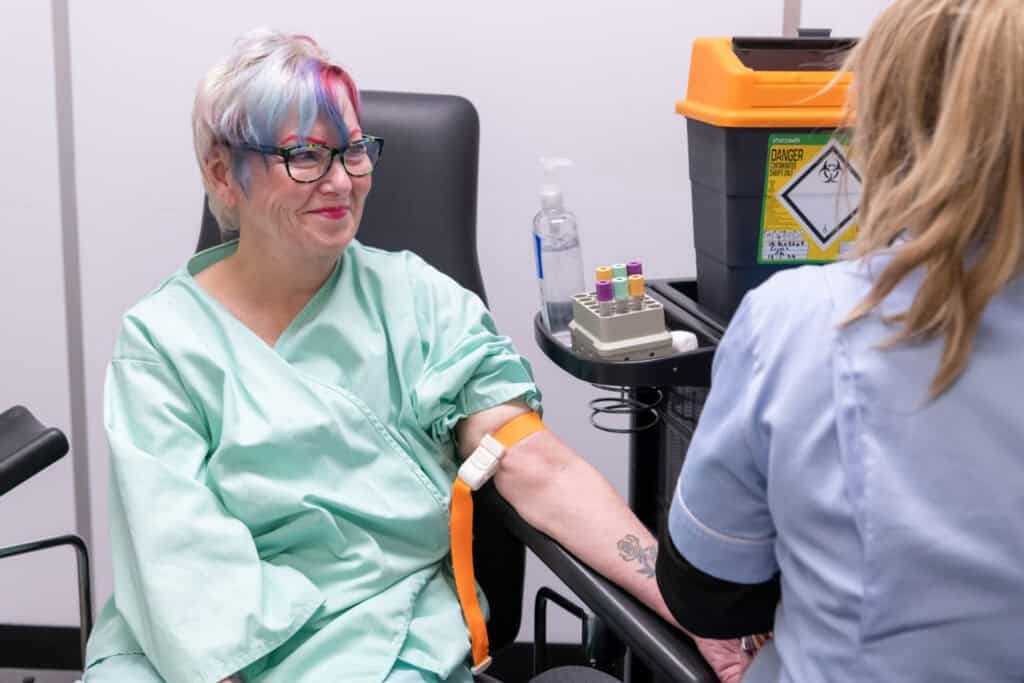
A new blood test can tell if someone has motor neuron disease (MND), a progressive and ultimately fatal condition.
It could reduce the large number of people who are initially misdiagnosed, which delays their treatment. Researchers who analysed blood samples, including those from nearly 24,000 UK Biobank participants, discovered MND’s distinct ‘biological fingerprint’: certain biological compounds that can even warn of the disease years before symptoms appear.
Depression, poverty and pollution threaten women’s heart health
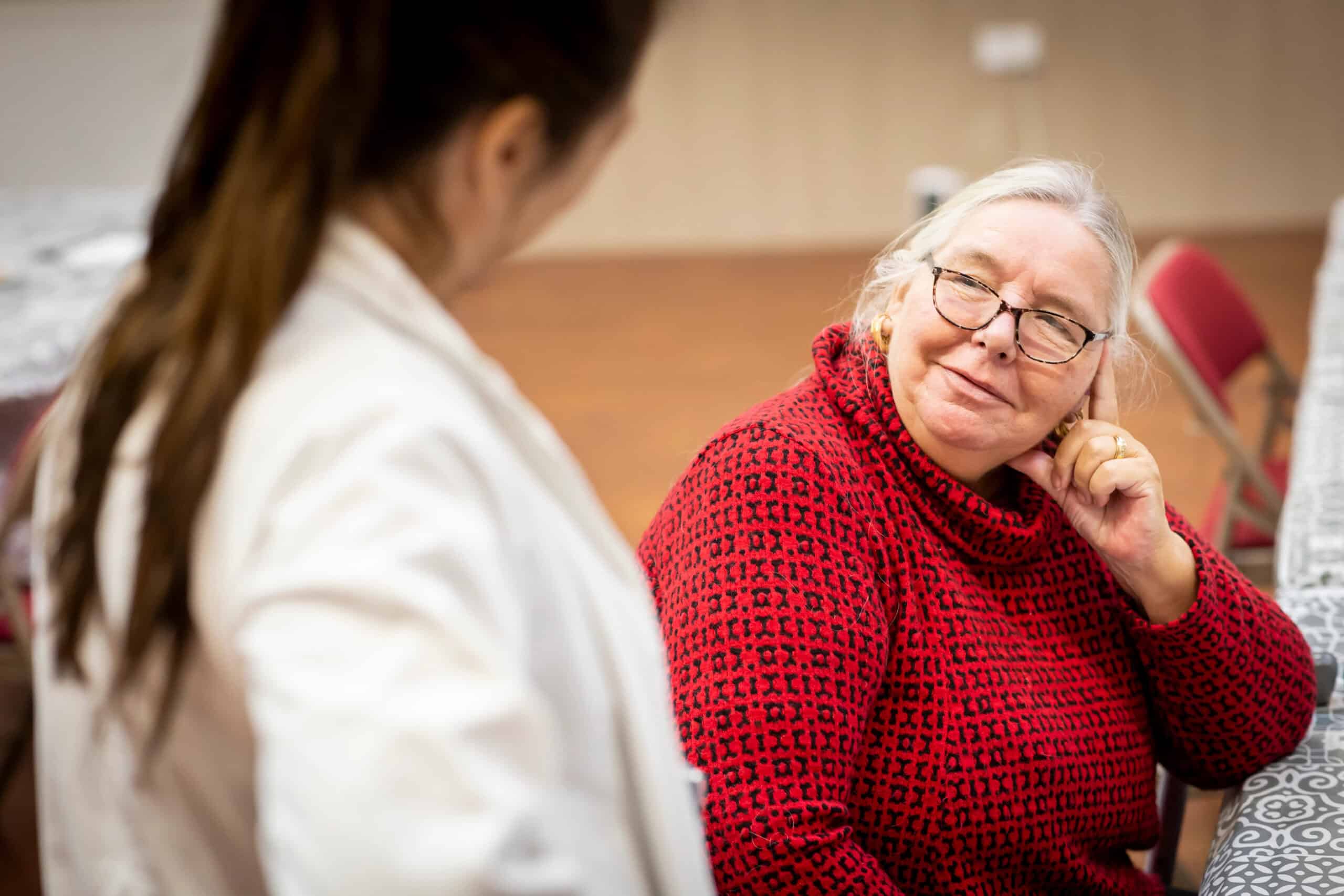
Data from more than 230,000 female UK Biobank participants suggest that women have a higher risk of heart failure if they have poor mental wellbeing, suffer socioeconomic deprivation or have a chronic inflammatory condition.
These – potentially preventable – factors disproportionately affect women and are often overlooked in public-health campaigns.
Hidden genetic condition means many Black men get diabetes diagnoses too late

Genetic information from UK Biobank participants has revealed how a silent condition that affects one in seven Black men can delay a type 2 diabetes diagnosis by several years.
Those with the condition, called G6PD deficiency, are also more likely to experience diabetes complications such as blindness and kidney failure. The researchers behind the study are now working to make genetic tests for G6PD deficiency available to Black communities.
Single gene behind almost all Alzheimer’s cases
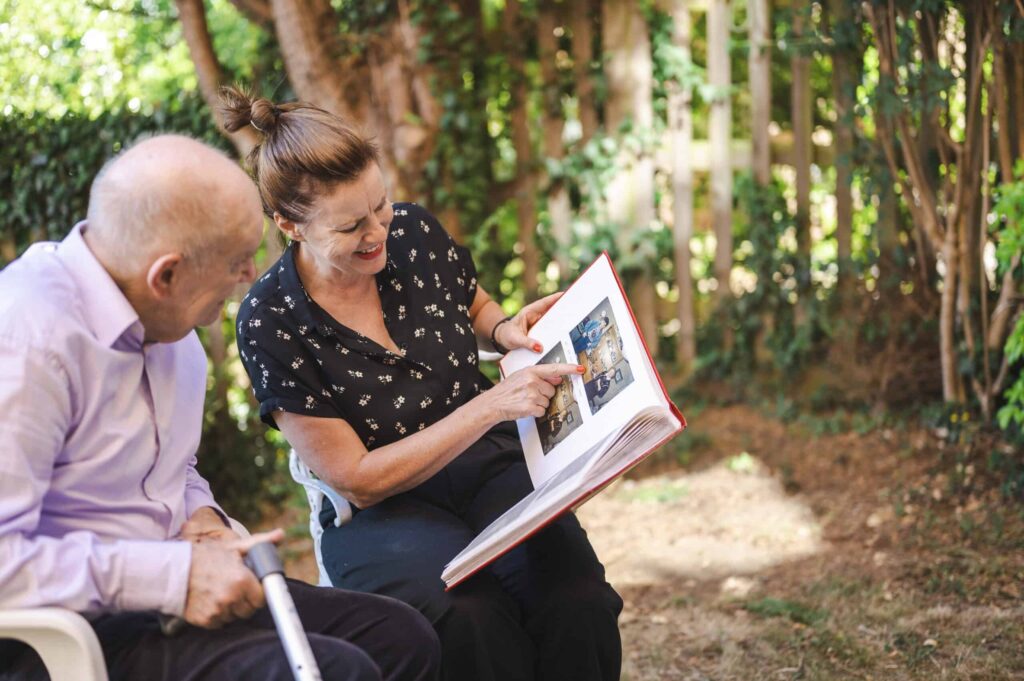
Eliminating the effect of one gene could prevent a large number of Alzheimer’s disease and dementia cases, finds research on data from nearly half a million people, including more than 170,000 UK Biobank participants.
The scientists behind the work suggest that more effort should be put into finding treatments that target this gene.
Discovery of chronic pain gene could unlock new treatments
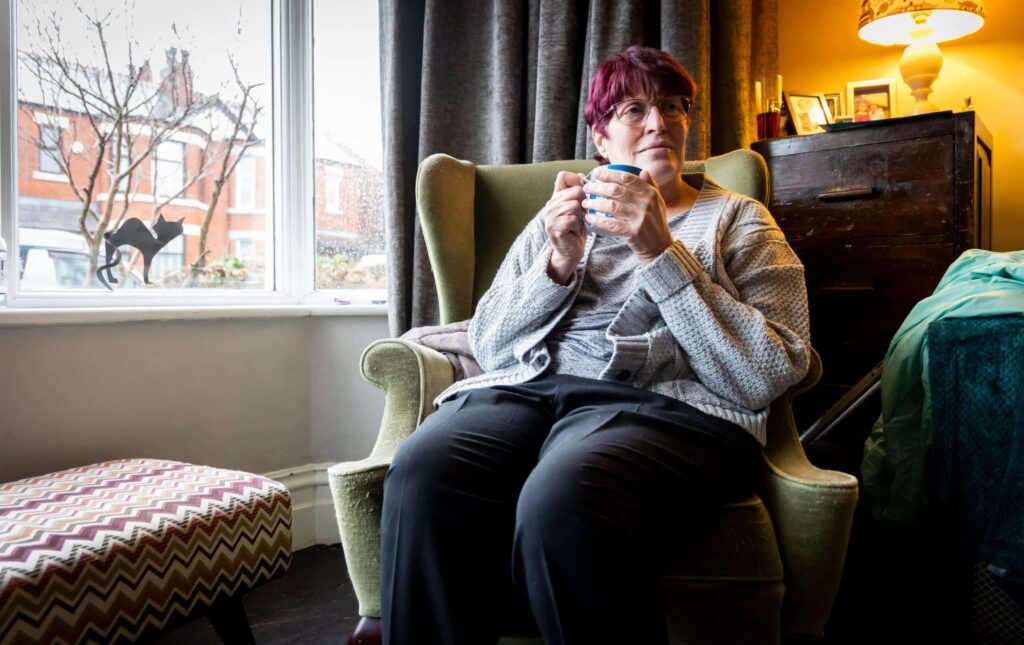
Genetic information from more than 1.5 million people, including UK Biobank participants, has revealed a gene that predisposes people to chronic pain.
It could be a pivotal discovery for researchers developing new painkillers since current chronic pain treatments are ineffective or even dangerous.
Contact us
Our friendly team is happy to help if you have any questions or would like assistance.
- Freephone: 0800 0 276 276 (Mon-Fri, 9am-5pm.)
- Email: [email protected]
- Update your contact details
Our Participant Portal will be down for maintenance between 8am and 9am on the first
Wednesday of every month.
Explore more

Read the recommendations and actions from the Oversight Committee report into data security at UK Biobank, and download the report.

Read a message from our CEO, Professor Sir Rory Collins, sent to participants on 3 June 2026.